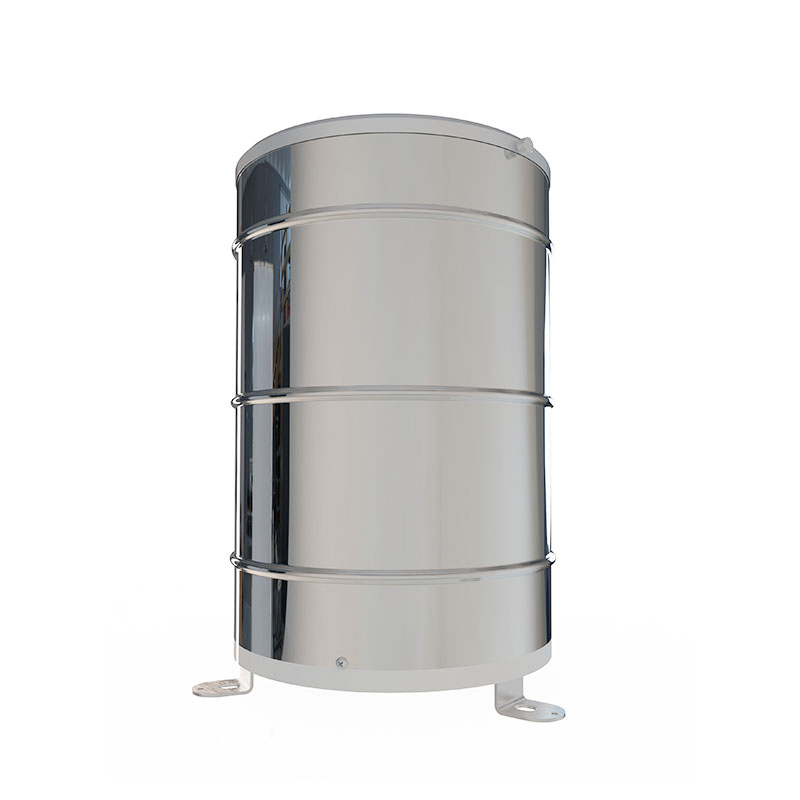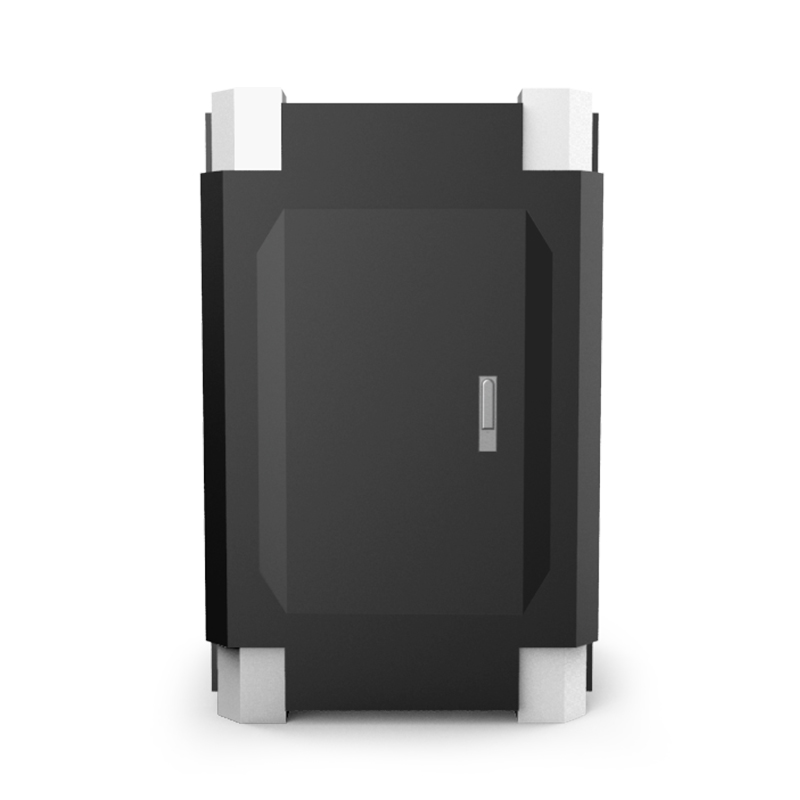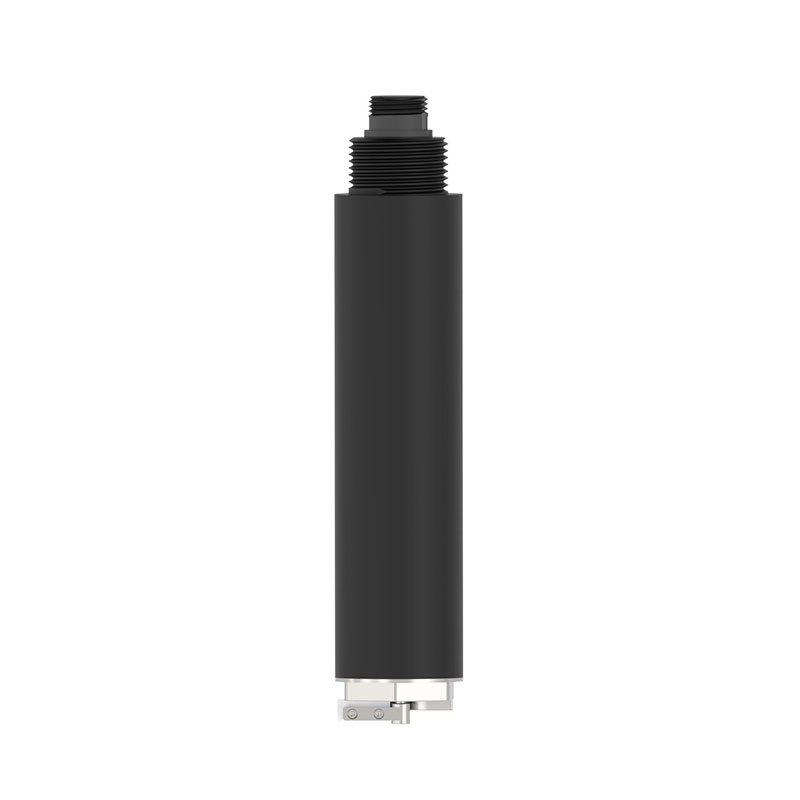
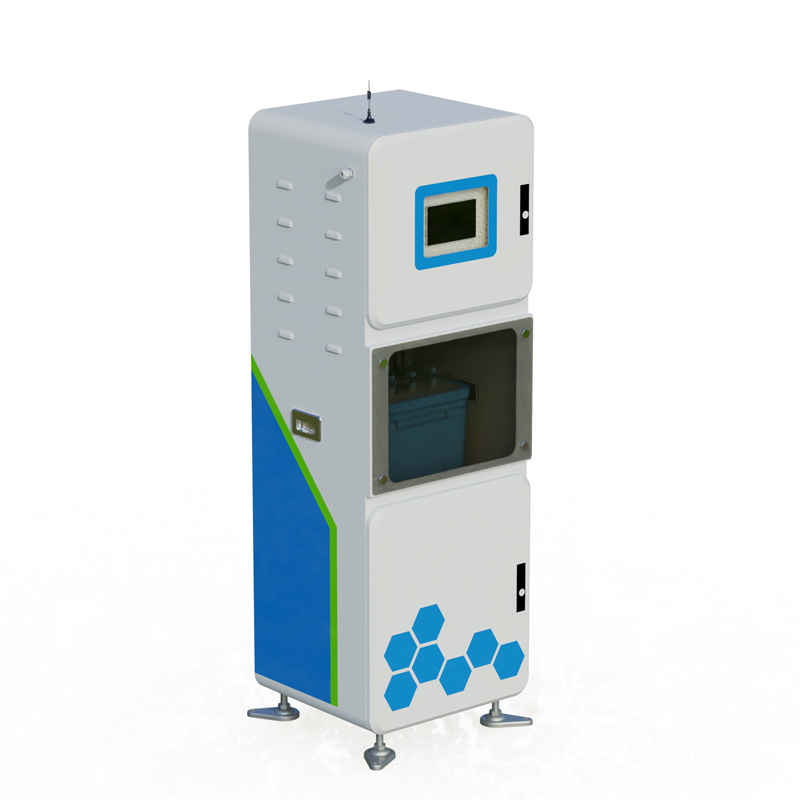
These monitors employ an integrated, extractable, miniature automatic monitoring station design. Within a single cabinet, they automatically monitor pH, temperature, turbidity, conductivity, dissolved oxygen, COD, ammonia nitrogen, and suspended solids. They are widely applicable in rivers, water treatment plants, and pipe networks.
Online water quality monitors are automated analytical devices used for real-time, continuous monitoring of multiple physicochemical indicators in water bodies. Based on the positioning of online water quality monitors according to Sogou's business requirements, the integrated extractable miniature automatic water quality monitoring station is one of the most representative product forms. It integrates multiple monitoring items such as pH, temperature, turbidity, conductivity, dissolved oxygen, COD, ammonia nitrogen, and suspended solids into a standard cabinet, achieving unattended, 24/7 operation through automated control.
Technically, the integrated extractable miniature automatic water quality monitoring station mainly consists of a flow stabilization and exhaust unit, an analysis and testing unit, a system control unit, a remote communication unit, a power supply unit, and a water pump control unit. The analytical testing unit is typically equipped with various water quality detection probes, including pH electrodes, fluorescence dissolved oxygen sensors, conductivity sensors, turbidity sensors using scattered light, and UV254 absorption COD sensors. Each sensor is fixed to a flow-through tank. Water samples are drawn in by an intelligent self-priming pump and flow sequentially through the measurement areas of each sensor. After data acquisition, real-time data is transmitted to an IoT cloud platform via a 4G communication module. The device also supports the MODBUS RTU communication protocol, facilitating integration with upper-level SCADA systems.
In terms of application scenarios, this equipment can be widely used for river section water quality monitoring, source water and effluent monitoring in urban and rural waterworks, water quality monitoring along water supply pipelines, water quality assurance for secondary water supply facilities and end-user points, indoor swimming pool water quality management, and online monitoring of large-scale water purification equipment and direct drinking water systems. For water conservancy and water affairs management departments and health supervision departments, the data provided by the online water quality monitoring instrument can support water plant production process control, water supply scheduling decisions, and health and safety supervision, providing a highly efficient alternative to traditional offline manual sampling and testing.
From an operational management perspective, online water quality monitors feature multi-parameter simultaneous display, automatic data storage, over-limit alarm push notifications, remote standard sample verification, and fault self-diagnosis. When monitored parameters such as pH, dissolved oxygen, or COD exceed preset thresholds, the system can issue warnings to management personnel via SMS, email, or mobile app push notifications. The accompanying IoT cloud platform supports data display, historical curve analysis, USB data export, and multi-protocol data forwarding via short TCP connections. These functional designs allow maintenance personnel to monitor water quality trends without long-term on-site monitoring, forming a data-supported closed loop for water treatment process control, source water quality early warning, and emergency response to sudden pollution incidents.
Compared to traditional single-parameter portable detection devices, the integrated extractive micro automatic water quality monitoring station offers advantages in the comprehensiveness of monitored parameters, automation of operation, and compatibility with existing water management systems. Its highly integrated design effectively reduces the frequency of station construction and manual inspection. For production scenarios such as waterworks and water supply networks, which have strict requirements for the continuity and stability of effluent water quality, this equipment is becoming an indispensable online analysis device in the waterworks production process control.
This paper addresses:https://fengtusz.com/industry/983.html