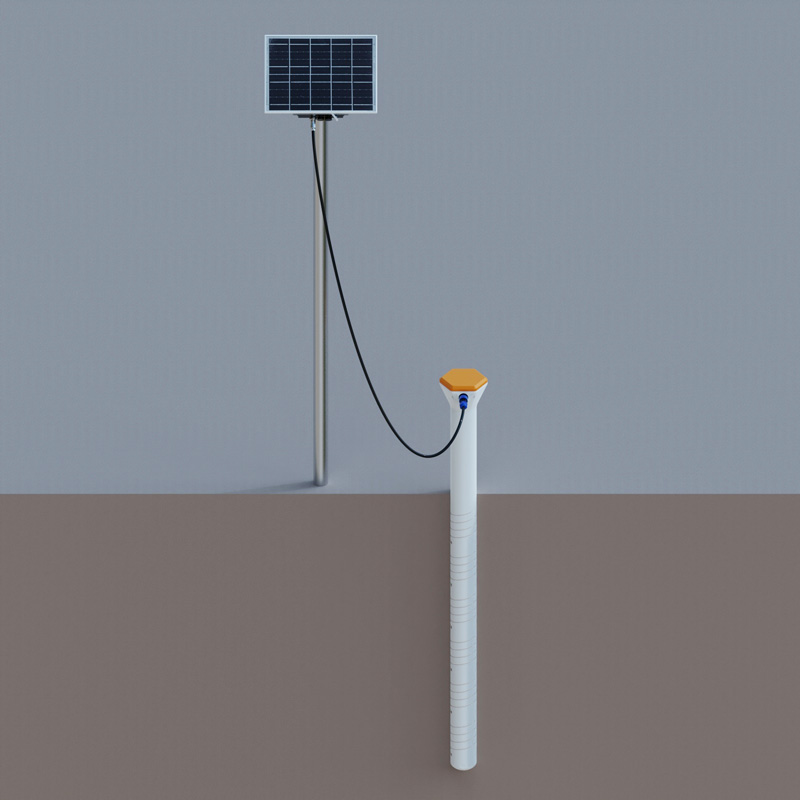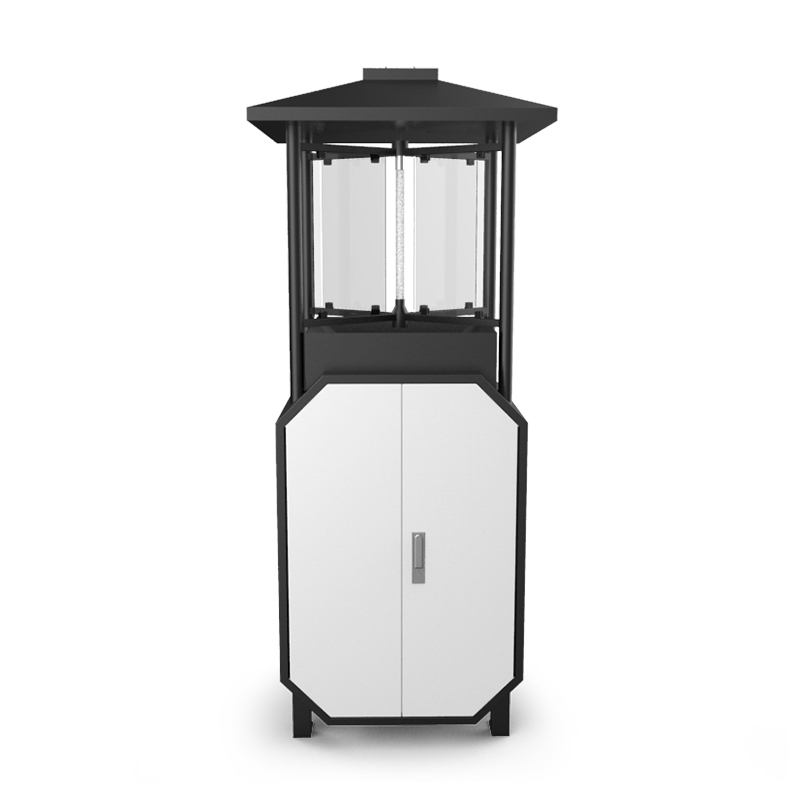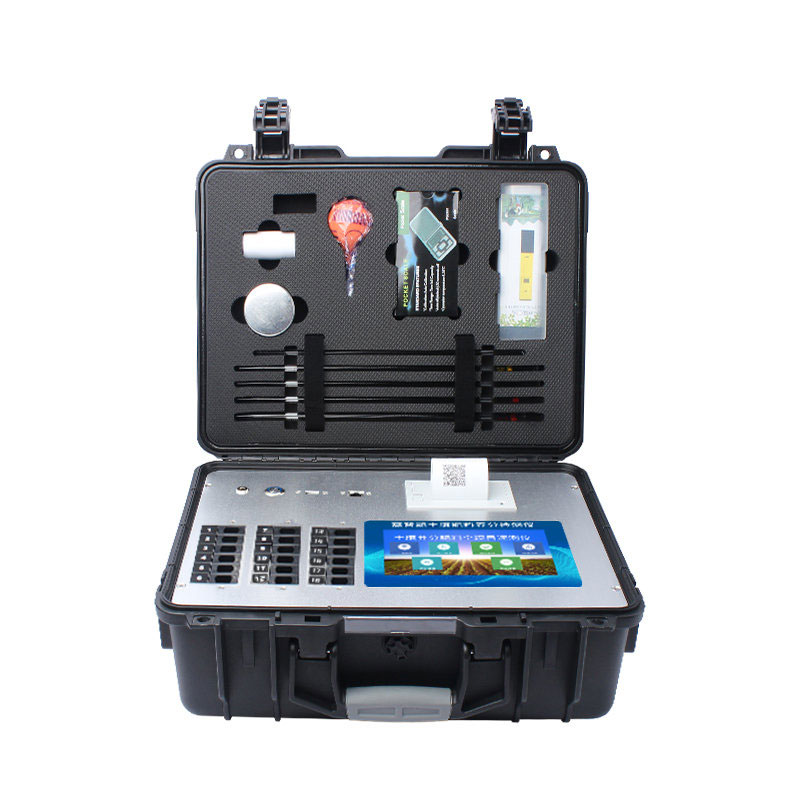
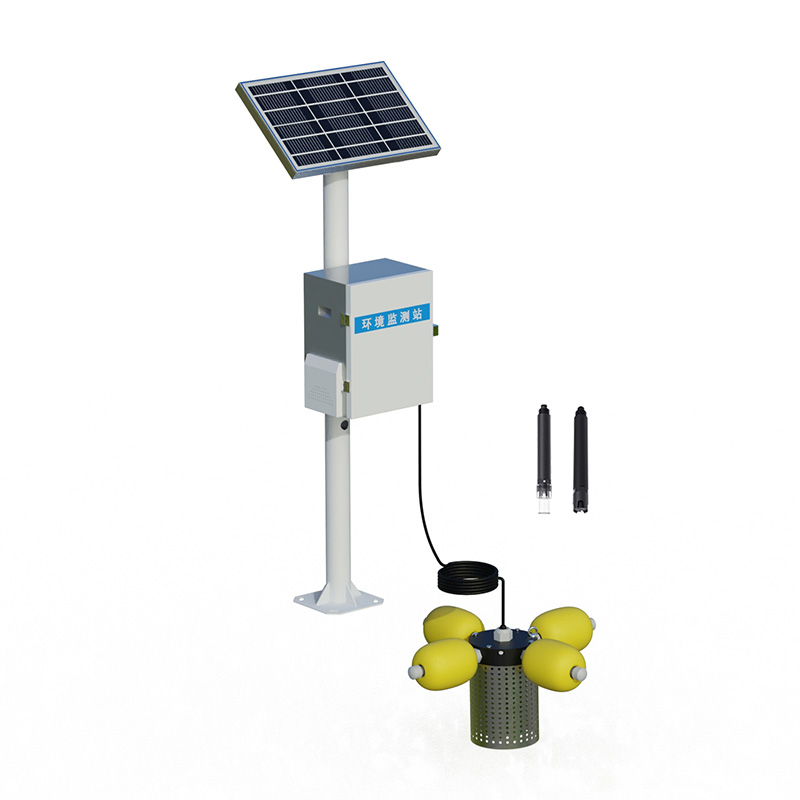
Water monitoring station is an integrated online monitoring system capable of performing real-time, continuous measurements of key parameters within a water body—such as water temperature, conductivity, and pH. This device is suitable for deployment in various settings, including aquaculture facilities, wastewater treatment plants, reservoirs, and river systems. By continuously monitoring water quality data, it facilitates automated early warning alerts and provides decision-making support, thereby effectively enhancing the efficiency of water quality surveillance and ensuring the safety of drinking water sources as well as compliance with industrial wastewater discharge standards.
Water monitoring station is a compact, automated water quality monitoring system designed for on-site deployment, primarily utilized for the continuous online monitoring of physicochemical indicators within a target water body. Typically, the system comprises a water sampling unit, a pretreatment unit, an analysis unit, a data acquisition and transmission unit, and various auxiliary components; it is capable of automating the entire workflow, from sample collection to data output. By continuously monitoring fundamental water quality parameters—such as water temperature, conductivity, and pH—the system accurately reflects changing trends in the water body's condition, thereby providing an objective basis for management and decision-making processes.
Regarding water temperature monitoring, Water monitoring station employs high-precision temperature sensors with a typical measurement range spanning from 0°C to 60°C and an accuracy of ±0.1°C. Water temperature is a critical factor influencing biological metabolism, chemical reaction rates, and gas dissolution rates within a water body. In aquaculture, it directly impacts fish feeding activity and growth rates; in wastewater treatment, it affects microbial activity and overall treatment efficiency. Continuous water temperature data also serves as a valuable aid in identifying anomalies such as thermal stratification or thermal pollution.
Conductivity monitoring is utilized to reflect the concentration levels of ions within a water body, thereby indirectly characterizing its dissolved salt content and degree of mineralization. Water monitoring station employs an electrode-based measurement principle, with a configurable measurement range—depending on the specific application scenario—of either 0 to 200 µS/cm or 0 to 2000 mS/cm. In aquaculture settings, sudden fluctuations in conductivity may indicate water contamination or improper water exchange procedures. In industrial wastewater treatment, conductivity serves as a key indicator for assessing the operational status of desalination processes. For the monitoring of rivers and reservoirs, conductivity data can be utilized to track the migration of pollutant plumes and the intrusion of saline tides. pH monitoring constitutes one of the core functions of an automated water quality station. Typically, it features a measurement range of 0 to 14, a resolution of 0.01, and is equipped with an automatic temperature compensation function. pH levels directly influence the chemical speciation of nutrients, the toxicity of heavy metals, and the physiological activities of aquatic organisms within a water body. In the context of aquaculture, pH fluctuations exceeding the optimal range can trigger physiological stress responses in aquatic life. In wastewater treatment, pH serves as a critical control parameter for the proper functioning of biochemical treatment systems; anomalous values can inhibit microbial activity or even lead to system failure. In reservoirs and drinking water source areas, abnormal increases or decreases in pH are often associated with algal blooms or the influx of acidic pollutants.
The Water monitoring station system is applicable across a wide variety of scenarios. In the field of aquaculture, it can be deployed in ponds, industrial-scale farming facilities, and cage culture zones to provide real-time insights into water quality fluctuations, thereby guiding operations such as aeration, water exchange, and feeding. In wastewater treatment, it can be installed at the influent, effluent, and critical process stages of treatment plants to provide data-driven support for process control and optimization. In the monitoring of reservoirs and river systems, it can function as either a fixed monitoring point or a mobile monitoring station, integrating with hydrometeorological data to comprehensively assess trends in water quality changes.
The system features automated early warning and decision support capabilities. Users can configure upper and lower threshold limits for various parameters via the platform interface; should real-time monitoring data exceed these predefined ranges, the system will issue alerts via SMS, audible and visual signals, or platform push notifications. The historical data accumulated over time can be utilized to analyze patterns in water quality changes, trace the origins of pollution, and evaluate the effectiveness of remediation efforts. Furthermore, the system supports remote access and multi-terminal viewing, enabling monitoring personnel to stay abreast of water quality dynamics without the need for frequent on-site visits, thereby significantly enhancing the efficiency of water quality monitoring operations.
This paper addresses:https://fengtusz.com/industry/953.html