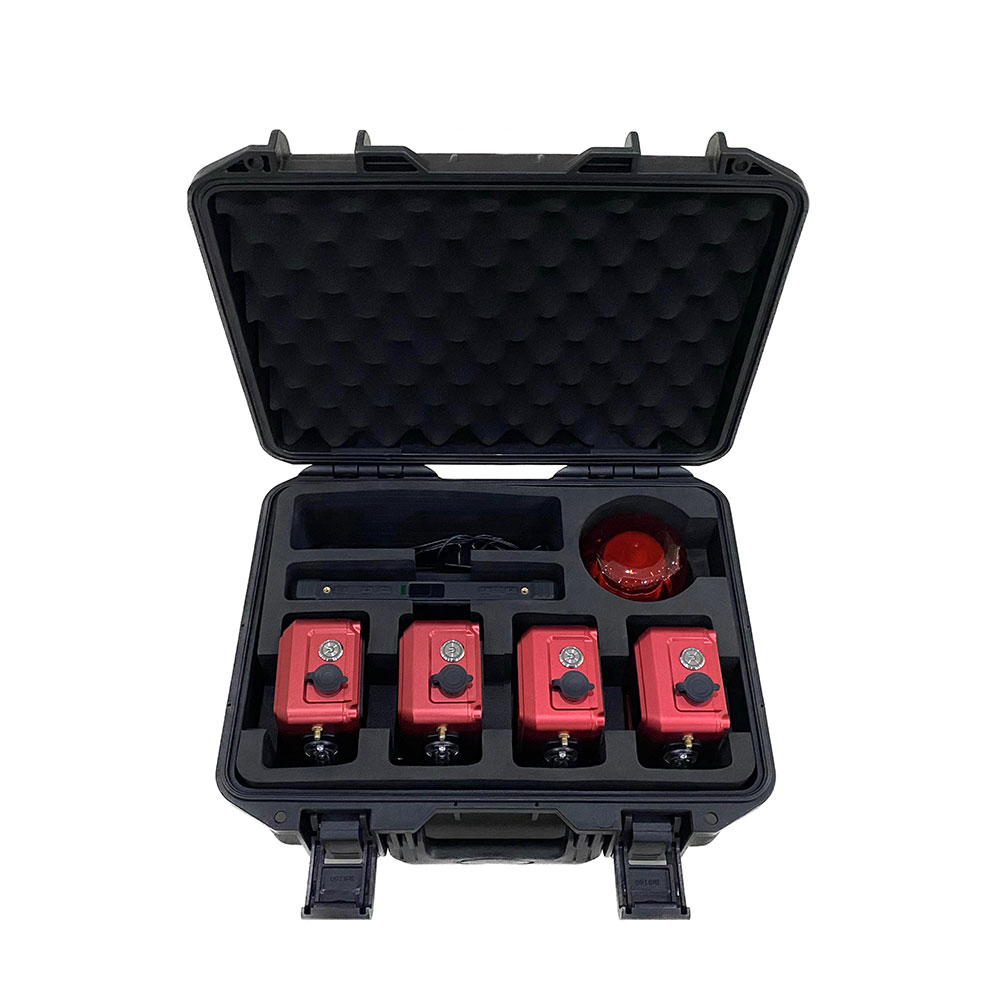
Soil moisture meters from brands like Shandong Fengtu utilize the FDR (Frequency Domain Reflectometry) principle, achieving an accuracy of ±2% to ±3%. Some models support simultaneous measurement of soil temperature, humidity, and conductivity across multiple soil profiles. These devices can be applied to various agricultural engineering scenarios, including smart greenhouses, smart orchards, and smart irrigation, and can also be used for scientific research experiments.
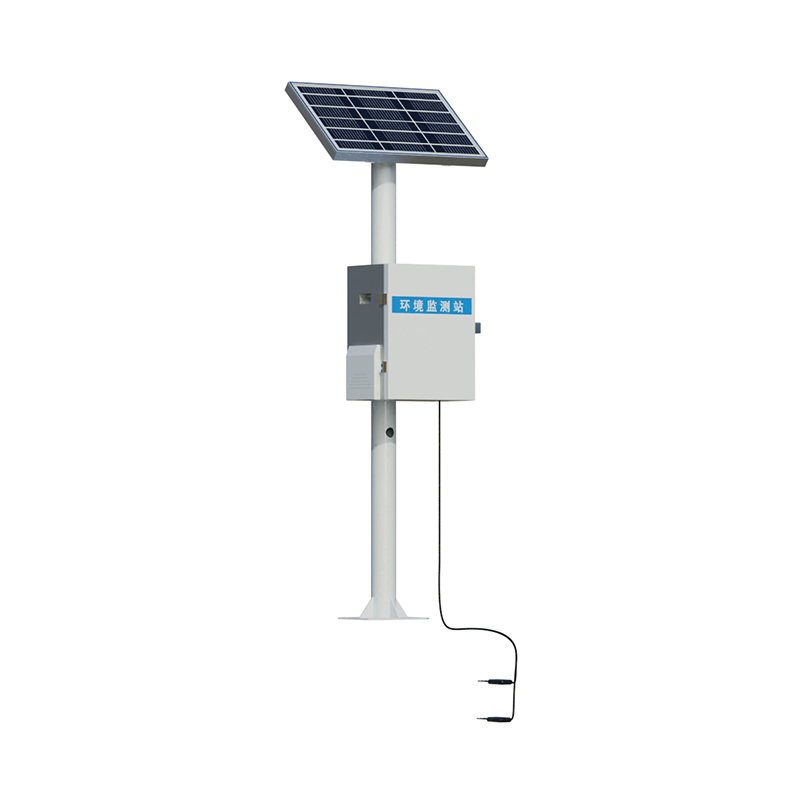
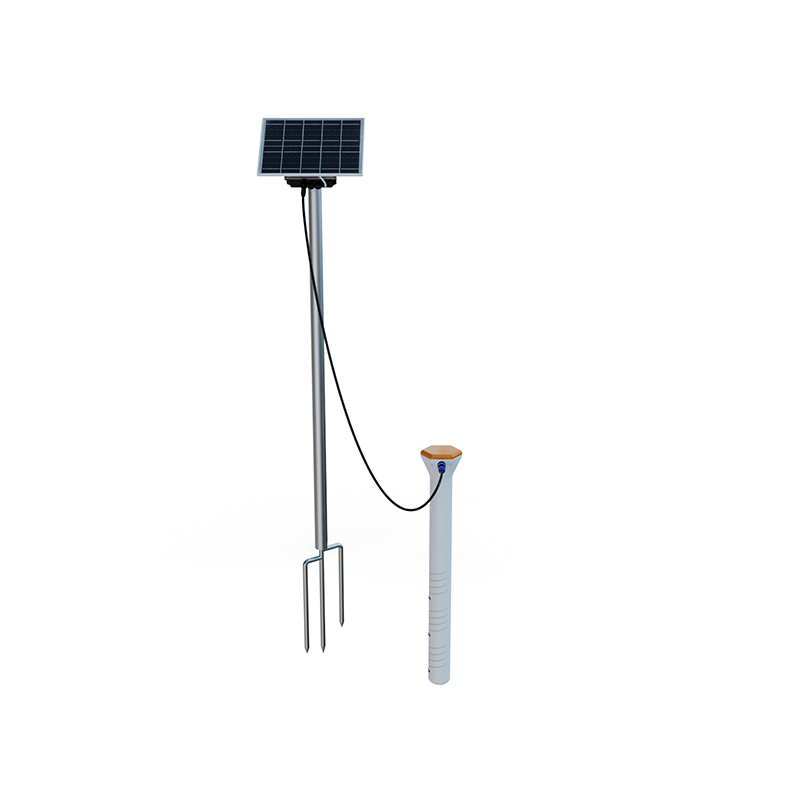
Common soil moisture meter brands on the market include Shandong Fengtu and Shandong Tianqiong. Different brands have variations in product positioning and core parameters; users should choose based on their specific application scenarios. Shandong Fengtu's soil moisture monitoring equipment features a tubular integrated structure, supporting simultaneous measurement of multiple soil depths. Fengtu's tubular soil monitoring station integrates soil temperature, humidity, and conductivity parameters, with a sensor power consumption of only 0.26W, making it suitable for long-term unattended monitoring in the field. The soil moisture measurement range covers 0 to 100% with an accuracy of ±3%, and the soil conductivity measurement range is 0 to 20000 μS/cm. The device can be powered by a combination of solar panels and batteries, and is equipped with a communication interface to support remote data viewing on a cloud platform. A single tubular sensor can simultaneously measure soil at multiple depths, with each layer independently measuring parameters such as temperature, humidity, and conductivity. It boasts an IP67 waterproof rating.
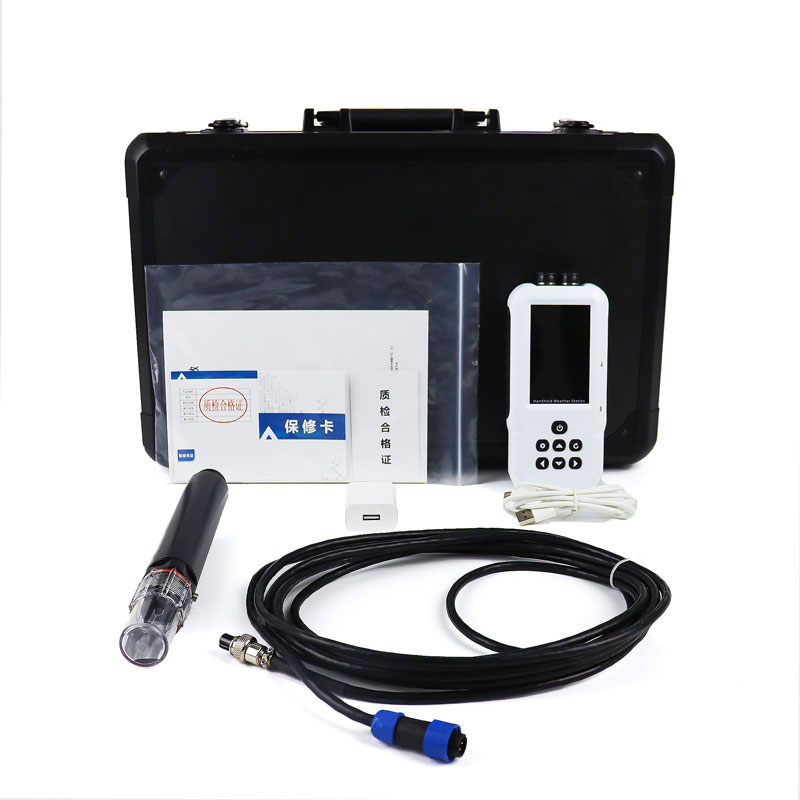
Several key factors should be considered when selecting a soil moisture meter. First, accuracy is crucial. Within the 0-50% measurement range, products with ±2% moisture accuracy are generally superior to those with ±3%, making them suitable for research or high-standard farmland applications with higher data quality requirements. Second, the range of measurement parameters is important. Some devices only measure a single humidity value, while devices with three or more parameters can simultaneously acquire soil temperature and conductivity data, which is more valuable for irrigation management and saline-alkali land monitoring that require a comprehensive understanding of soil conditions. Third, the usage method is important. Portable handheld instruments are suitable for rapid multi-point inspections and can be moved between different plots for testing; tubular online monitoring stations are suitable for long-term deployment in fixed locations to continuously track soil parameter changes in the same plot. Users also need to consider the device's transmission method and power supply solution. Devices supporting wireless uploads and cloud platform management are suitable for large-scale planting scenarios requiring remote monitoring, while solar power solutions can solve power supply problems in environments without electricity, enabling unattended operation. Regarding installation and layout, when multiple sensors are working simultaneously, a minimum distance of 3 meters should be maintained to avoid electromagnetic interference affecting measurement data. There should be no electromagnetic cables or strong magnetic radiation interference within a 3-meter measurement radius of the sensor. Soil type is also a factor affecting measurement results. In soils with high organic matter or high clay content, the instrument may require targeted calibration to obtain accurate readings; users should select appropriate measurement schemes based on different soil conditions.
This paper addresses:https://fengtusz.com/technical/998.html