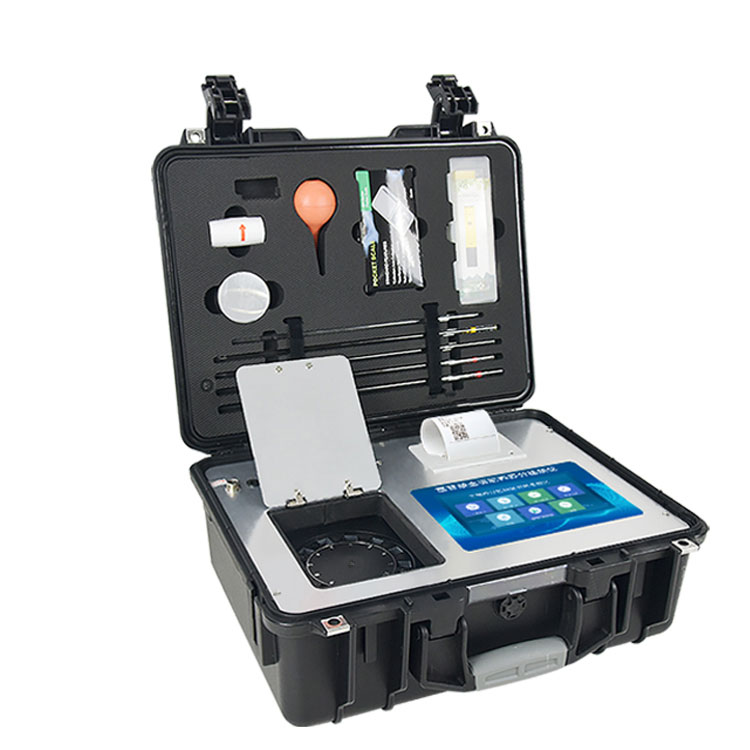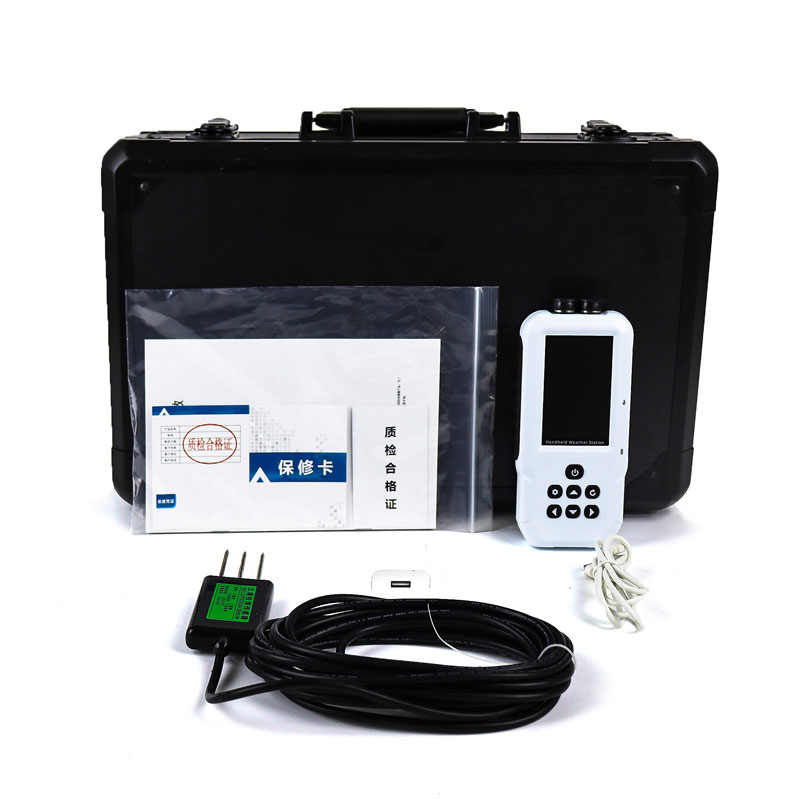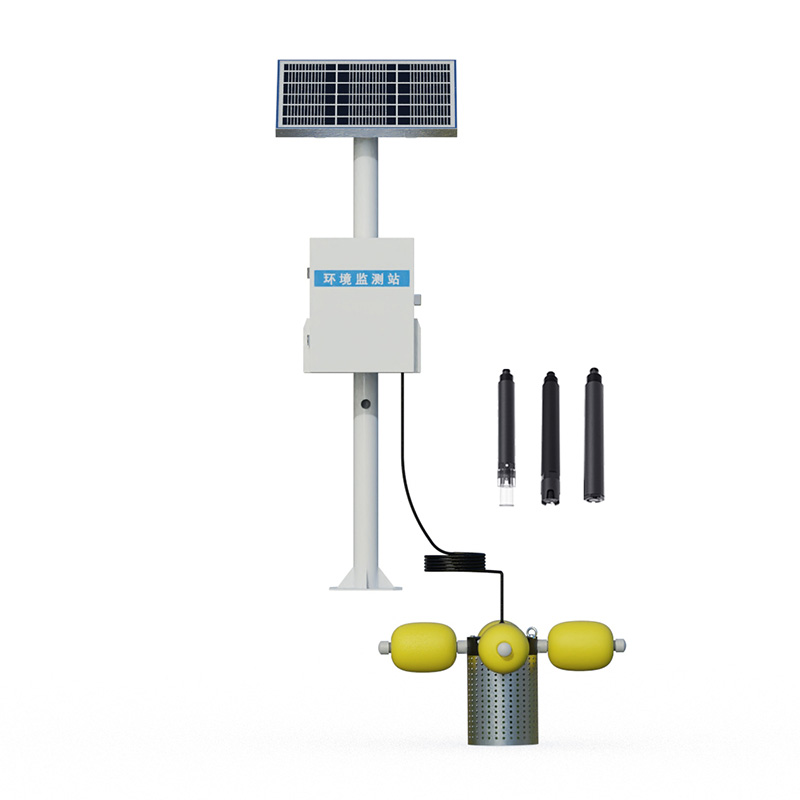

Automatic Soil Monitoring System is a device used for real-time automatic monitoring of soil profile temperature, humidity, and electrical conductivity. The station consists of sensor, data acquisition and transmission, and power supply systems, and is widely used in agricultural irrigation guidance, ecological environment research, and soil and water conservation.
Automatic Soil Monitoring System is a field monitoring device for real-time, automatic collection of key soil parameters. It primarily monitors temperature, volumetric water content, and electrical conductivity data at different soil depths. This data is directly relevant to understanding soil conditions, guiding agricultural production, and protecting the ecological environment.
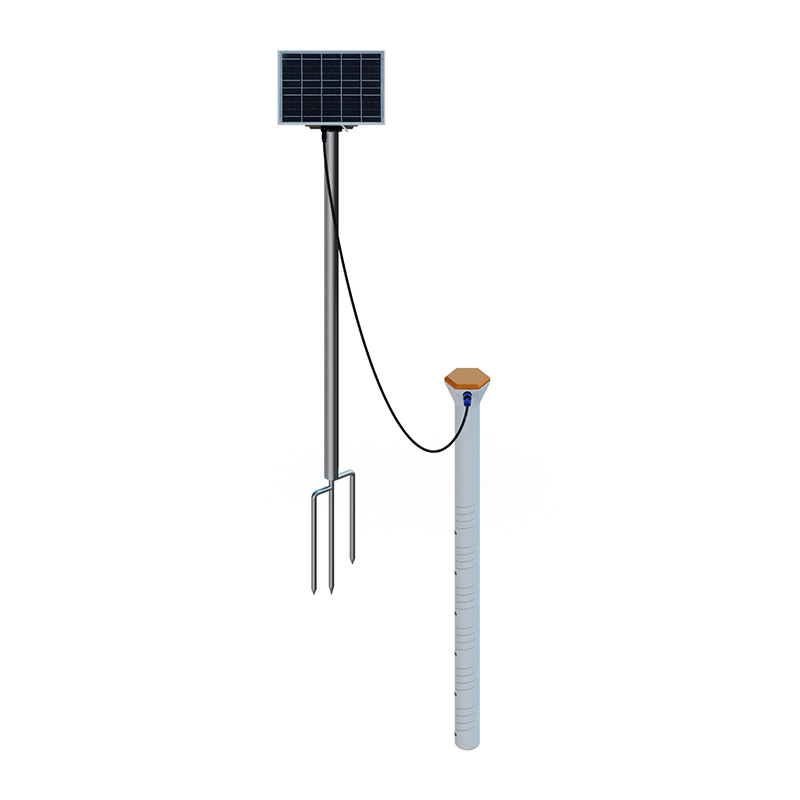
The entire monitoring station system typically consists of several core components working together. The sensor system is the measurement component that directly contacts the soil, including multiple soil temperature sensors, soil moisture sensors, and soil electrical conductivity sensors. These sensors are buried or installed according to a preset depth profile, for example, at different soil layers such as 10 cm, 20 cm, and 40 cm, to obtain vertical data distribution of the soil profile.
The data acquisition and transmission unit is the control center of the system. It is responsible for periodically or continuously collecting signals from each sensor, converting analog signals into digital data, and performing preliminary processing and storage. This unit usually integrates a wireless communication module, such as 4G, NB-IoT, or LoRa, enabling the collected data to be transmitted remotely to a designated cloud platform or data center. The power supply system provides energy for the entire equipment; a common configuration is a solar panel paired with a battery, ensuring long-term stable operation in outdoor environments without mains power. The infrastructure includes protective enclosures for installing sensors, poles, lightning protection equipment, etc., providing physical protection and support for the entire system.
In practical applications, the core value of Automatic Soil Monitoring System lies in achieving unmanned, continuous, real-time monitoring of soil temperature, moisture, and electrical conductivity. Temperature data reflects the thermal conditions of the soil, affecting seed germination and microbial activity. Moisture data, or soil moisture content, is a direct basis for determining whether crops are lacking water and deciding on irrigation timing and quantity. Electrical conductivity data indirectly reflects the salt content and nutrient status of the soil and can be used to assess the risk of soil salinization or fertility levels.
This real-time data is transmitted wirelessly, allowing users to view it on a computer or mobile phone. Agricultural personnel can use the dynamically changing soil moisture data to develop precise irrigation plans, achieving water conservation and increased efficiency. In the field of ecological monitoring, long-term continuous data helps researchers study the impact of climate change on the soil environment or monitor the evolution of soil moisture in vegetation restoration areas. In soil and water conservation work, monitoring data can be used to analyze the soil water retention effects under different measures and evaluate the effectiveness of engineering projects.
In summary, Automatic Soil Monitoring System, through an integrated automatic monitoring solution, transforms key soil profile parameters into a continuously accessible data stream. It overcomes the inefficiency and delays of traditional manual soil sampling and measurement, providing stable and reliable data support for modern agricultural irrigation, ecological environment management, and land resource protection. It is an important infrastructure for promoting the development of these fields towards digitalization and precision management.
This paper addresses:https://fengtusz.com/industry/932.html