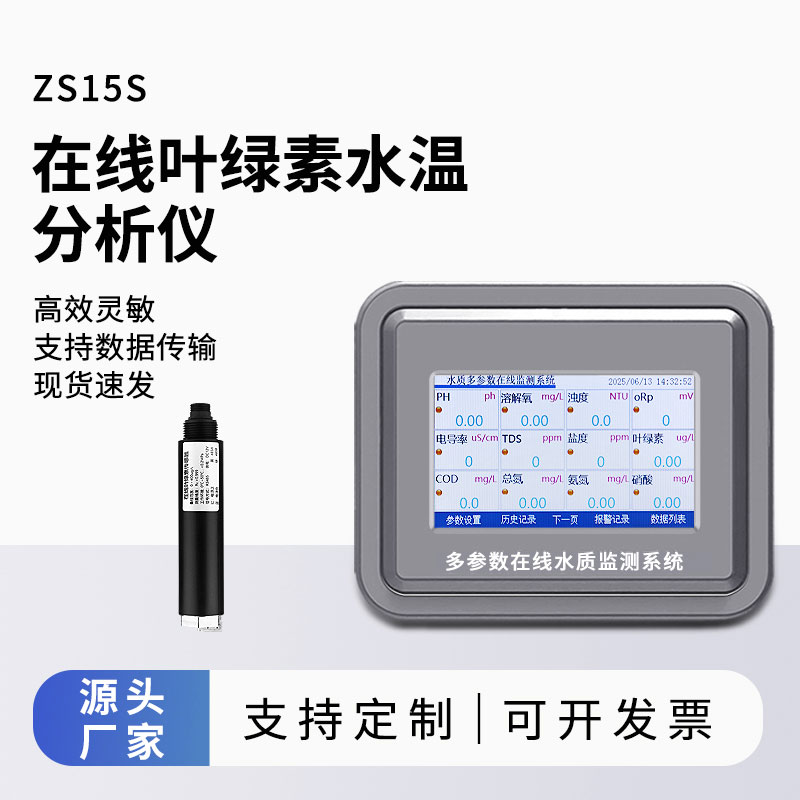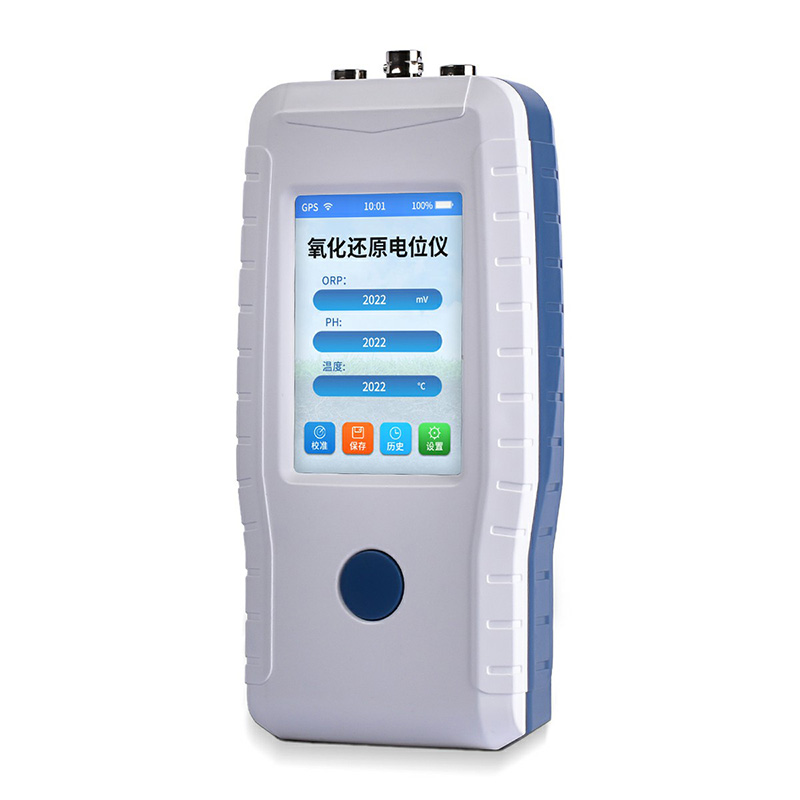
Small automatic water quality monitoring system is a comprehensive monitoring system built around the core technologies of the Internet of Things and automation. It provides continuous automatic monitoring of key parameters such as water temperature, conductivity, and pH. This system is widely used in aquaculture, wastewater treatment, reservoirs, and rivers, providing real-time data to environmental and water management departments, helping them to promptly identify and address water quality issues.
Small automatic water quality monitoring system is a comprehensive monitoring system integrating sensor technology, automatic control, and data communication technologies. This system can perform unattended, continuous automatic measurement and recording of basic physical and chemical indicators in water bodies, including water temperature, conductivity, and pH. Its design aims to replace traditional manual sampling and laboratory analysis methods, enabling real-time acquisition and remote monitoring of water quality information.
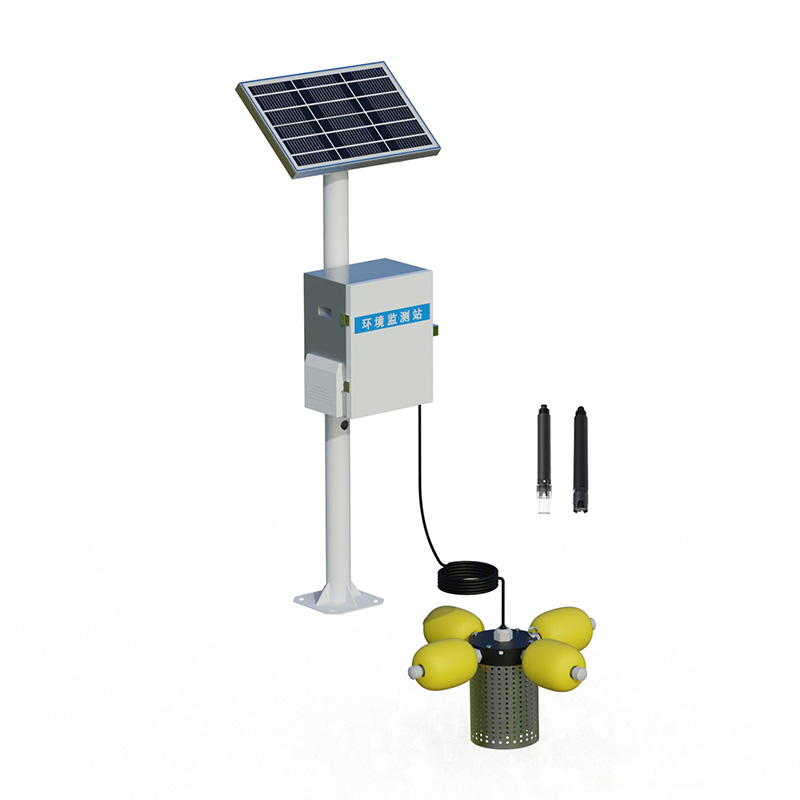
The system typically consists of three hardware components. First, there is the water quality monitoring terminal located at the monitoring site. Its core is a multi-parameter water quality sensor, which is integrated into a probe or installed in a flow cell and directly immersed in the water body to be measured. The sensor is responsible for converting physical and chemical signals such as water temperature, conductivity, and pH into electrical signals. Second, there is the data acquisition and transmission unit, which collects sensor signals, performs preliminary processing, and sends the data to a remote central server via wired network, wireless cellular network, or satellite communication. Finally, there is the software platform located at the management center, which receives, stores, displays, and analyzes data from each monitoring point, and can trigger alarms when data is abnormal.
The system's operation process is automated. The monitoring terminal automatically starts a measurement cycle at preset intervals (e.g., every 5 minutes or every hour). After the sensor completes the measurement, the data collector packages the readings along with device status, timestamps, and other information, and uploads it through the communication module. Managers can log in to the software platform on a computer or mobile device to view real-time data, historical trend curves, and statistical reports for each monitoring point. When any monitored parameter (such as a sudden increase or decrease in pH) exceeds the preset safety threshold, the system will immediately send a warning to designated personnel via platform messages, SMS, or email.
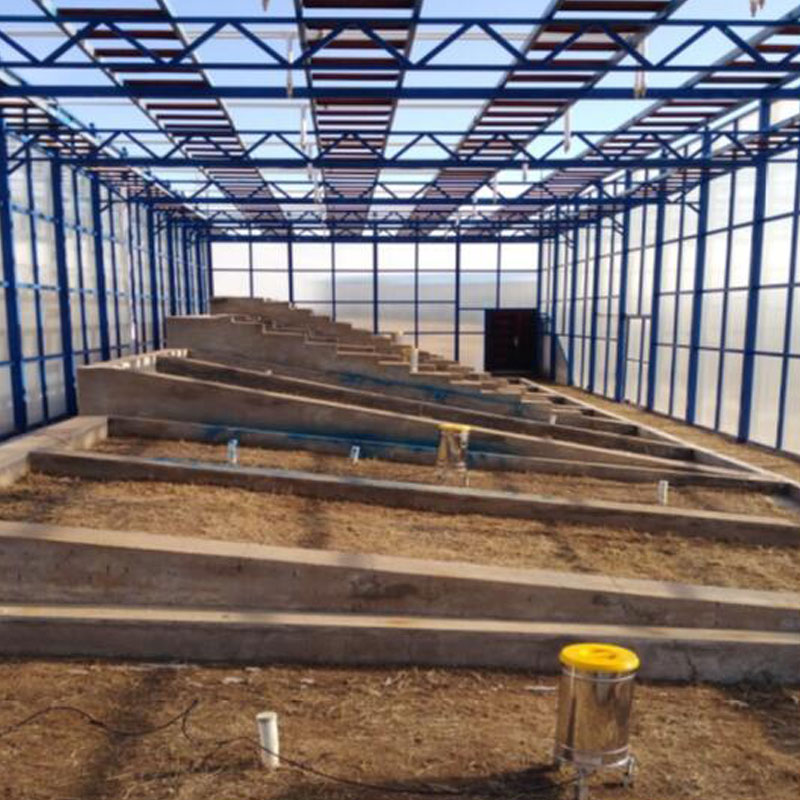
The system has diverse application scenarios. In aquaculture farms, continuous monitoring of water temperature and pH is crucial for ensuring the healthy growth of fish, and abnormal data can promptly indicate oxygen deficiency or water quality deterioration risks. At the inlet and outlet of wastewater treatment plants, monitoring conductivity and pH helps assess treatment effectiveness and process stability. For natural water bodies such as reservoirs, lakes, and rivers, this system is a fundamental tool for environmental protection agencies in source water protection, pollution source monitoring, and watershed management, enabling the detection of the initial signs of sudden pollution events. Furthermore, it can be used for water quality management in agricultural irrigation and industrial circulating cooling water systems.
The system's technical core lies in its stability and remote management capabilities. Based on an Internet of Things (IoT) architecture, it enables the widespread distributed deployment of monitoring equipment and centralized data processing. Automated control ensures consistency in measurement cycles and reliability of data sources. Information technology transforms raw data into actionable information, allowing managers to overcome geographical limitations and comprehensively understand water quality dynamics within their jurisdiction.
To ensure the accuracy of monitoring data, the system requires regular maintenance. This includes periodically cleaning the sensor surface to prevent biofouling or dirt accumulation, according to the sensor type requirements, and calibrating the sensors using standard solutions as specified in the operation manual. In low-temperature regions during winter, appropriate anti-freezing measures must be taken for outdoor equipment.
Overall, Small automatic water quality monitoring system, through technological integration, has built a comprehensive and responsive water quality sensing network. The continuous, real-time data it provides transforms water quality management from periodic inspections to process-based monitoring, significantly enhancing the capabilities of environmental regulation, water utilities, and related industries in water quality safety risk early warning, daily management efficiency, and scientific decision-making.
This paper addresses:https://fengtusz.com/industry/909.html