
Wheat Fusarium Head Disease Monitoring System dynamically collects pathogen spore inventory through a built-in spore capture device and combines this with a built-in model to comprehensively analyze environmental data, enabling scientific prediction of wheat Fusarium head blight incidence and providing a basis for precise disease control decisions.
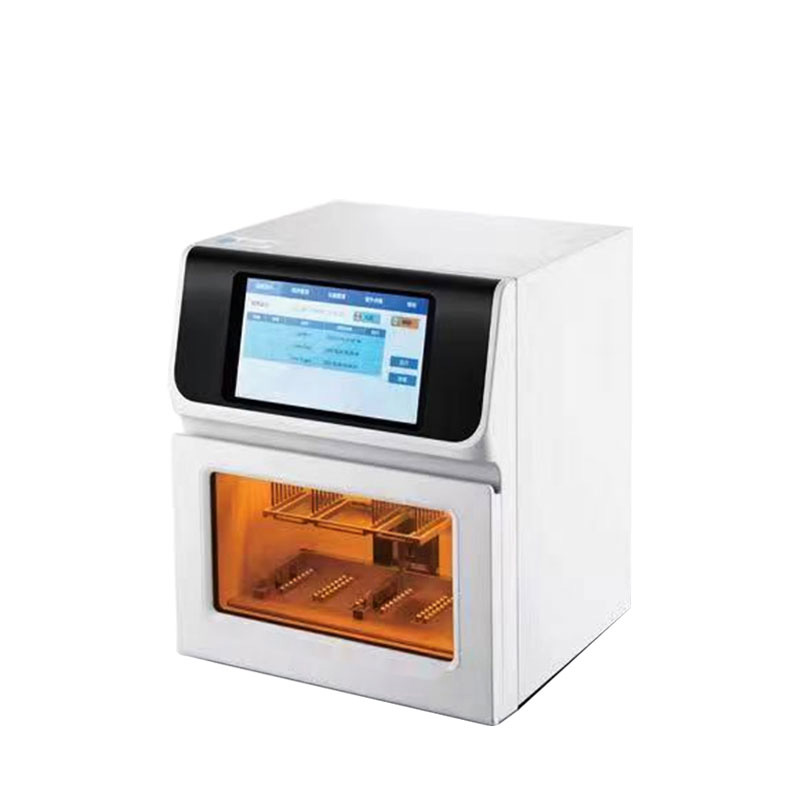
Wheat Fusarium Head Disease Monitoring System is a comprehensive disease monitoring and early warning platform integrating hardware capture and software analysis. Its core component is the built-in Fusarium head blight spore capture device. This device is typically installed in representative areas of wheat fields and can automatically and continuously collect Fusarium head blight pathogen spores from the air. Through automatic microscopic imaging or other sensing technologies, the system can quantify and statistically analyze the number of spores captured per unit time, thereby gaining real-time control of the spore inventory and diffusion dynamics in the field. This spore data is a direct precursor indicator of disease occurrence, providing first-hand evidence for early warning.
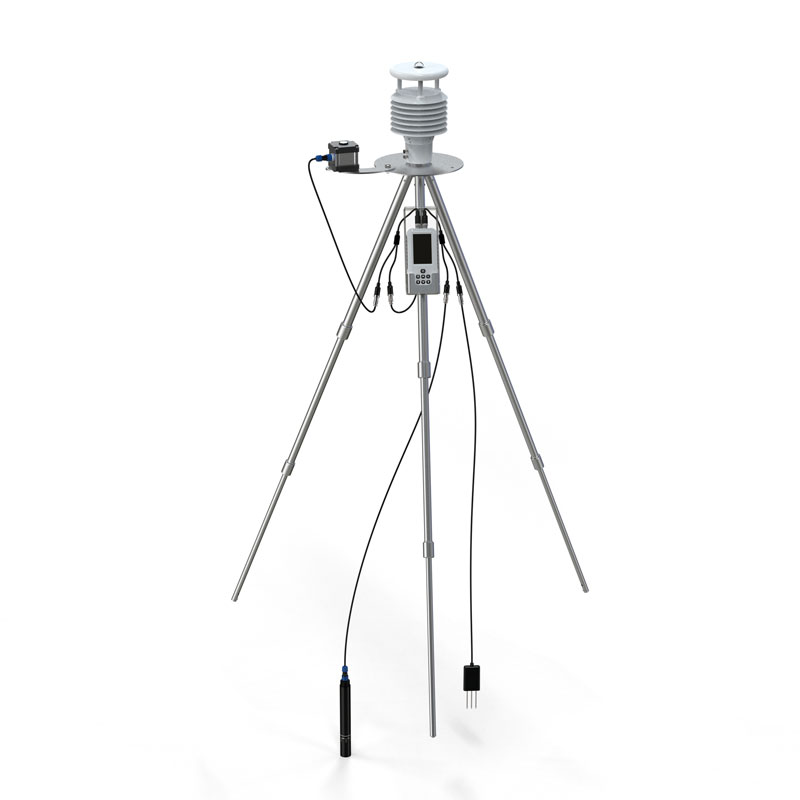
The system's predictive capability stems from its built-in disease occurrence prediction model. This model not only relies on spore capture data but also automatically integrates or inputs meteorological observation data of the wheat field area, including temperature, humidity, rainfall, and dew duration during key periods. Based on the epidemiological principles of Fusarium head blight, the model uses algorithms to comprehensively analyze the coupling relationship between "inoculum abundance" (spore data) and "meteorological suitability" to calculate the risk level and potential epidemic intensity of the disease. Prediction results are typically output in the form of risk index, probability of occurrence, or suitable time period for disease outbreak.
The application value of this monitoring and forecasting system lies in its precise guidance for agricultural production control. Traditional Fusarium head blight control mainly relies on fixed farming times or experience-based pesticide application. However, the real-time monitoring and forecasting information provided by this system enables plant protection departments and farmers to make risk-based decisions. For example, when the system indicates a sudden increase in spore abundance and highly suitable future weather conditions, an early warning can be issued to guide precise pesticide application during the critical flowering window of wheat. This monitoring-based early warning and control strategy improves the scientific and timely use of pesticides, effectively controlling the disease while helping to reduce indiscriminate pesticide use and promoting green and high-quality development of wheat production. Therefore, this system has become an important tool for intelligent disease monitoring and early warning in modern plant protection systems.

This paper addresses:https://fengtusz.com/industry/906.html