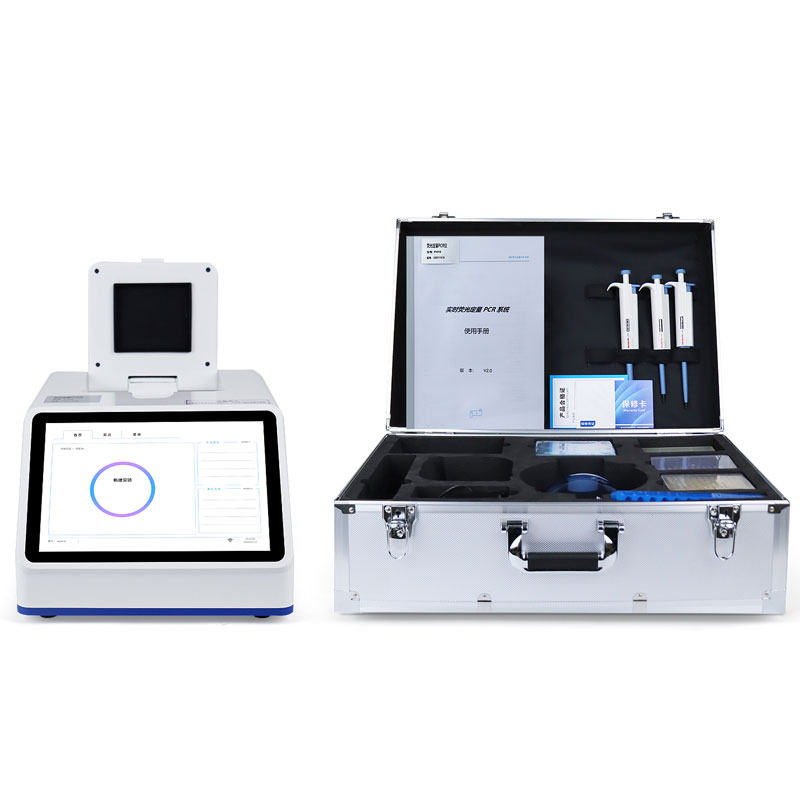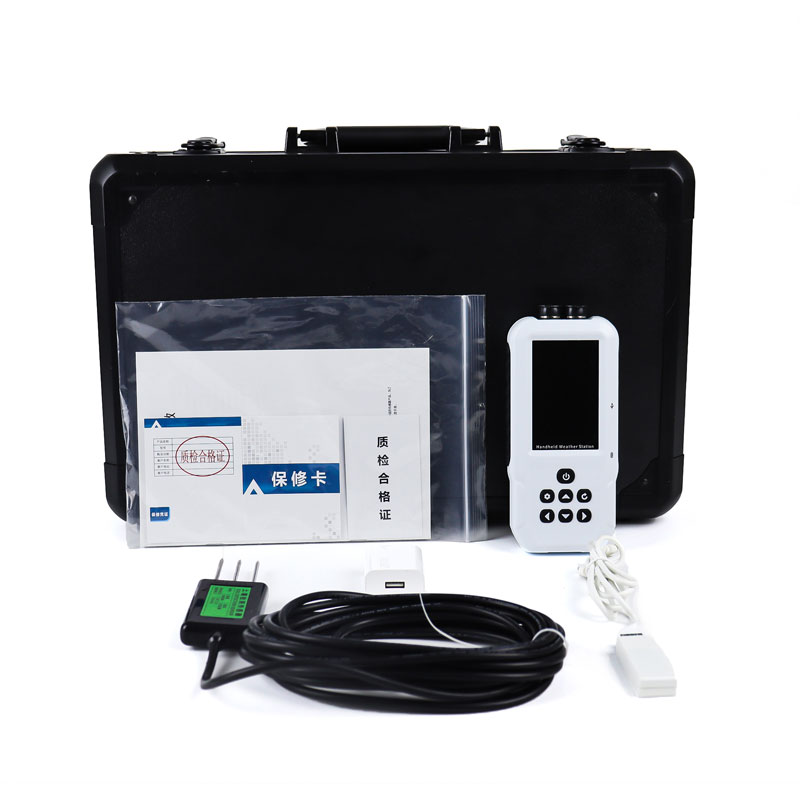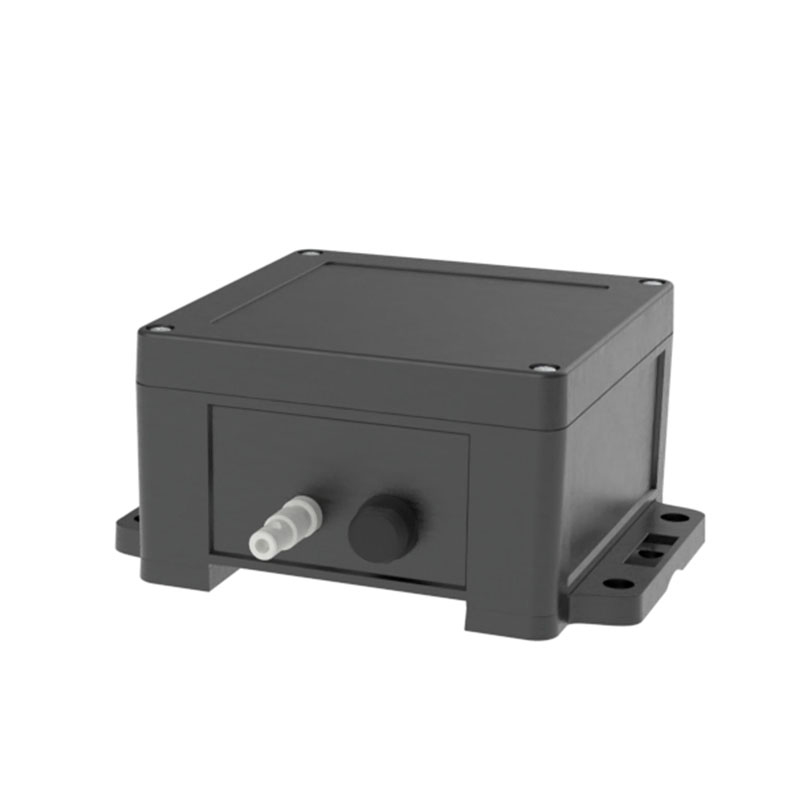
Micro water quality monitoring station is an automatic water quality monitoring device specifically designed for fishponds, shrimp ponds, and cage aquaculture. It can monitor key indicators such as water temperature, conductivity, pH, dissolved oxygen, ammonia nitrogen, and turbidity in real time, providing farmers with precise water quality control information through data acquisition and transmission.
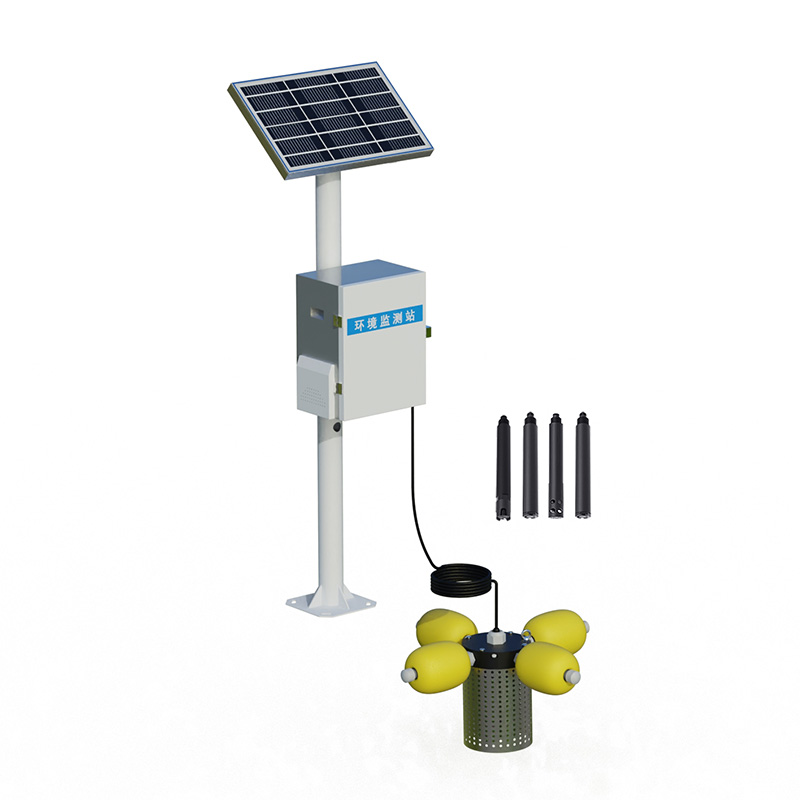
Micro water quality monitoring station is an online water quality monitoring device developed for pond aquaculture, factory farming, and cage aquaculture. Through multi-parameter sensors installed in the aquaculture water, it achieves real-time acquisition and remote transmission of indicators such as water temperature, dissolved oxygen, pH, ammonia nitrogen, conductivity, and turbidity. This device typically adopts a pole-mounted, buoy-mounted, or shore-based structure, consisting of a solar power system, data acquisition unit, sensor array, and cloud platform. It features low power consumption, IP66 or higher protection rating, and GPRS/4G wireless transmission capabilities, and can adapt to complex environments such as high humidity, salt spray, and feed residue in aquaculture water.
Regarding monitoring elements, the core parameters covered by Micro water quality monitoring station directly affect the survival and growth of aquaculture organisms. Dissolved oxygen sensors use the fluorescence lifetime method to measure dissolved oxygen content in water; below 3-5 mg/L, fish and shrimp are prone to oxygen deficiency and surfacing. pH measurement uses the glass electrode method or electrochemical salt bridge method, with a range of 0-14 and an accuracy of ±0.1; values exceeding the 7.5-8.5 range can affect biological metabolism and feed digestion. Ammonia nitrogen monitoring uses the ion-selective electrode method, with a range of 0-100 mg/L; exceeding this range can cause poisoning in aquaculture organisms. Water temperature sensors use the platinum resistance method, with an accuracy of ±0.1-0.5 degrees Celsius, directly affecting the metabolic rate of organisms. Conductivity is measured using the four-electrode method or contact electrode method, reflecting changes in ion concentration and salinity in the water. Turbidity sensors use the optical scattering method, with a range of 0-1000 NTU and above, monitoring suspended particulate matter in the water. Some models can be expanded to include parameters such as nitrite, COD, and chlorophyll to meet the needs of different aquaculture species.
Micro water quality monitoring station converts sensor signals into digital values via a data acquisition unit and transmits them to a cloud platform via 4G or BeiDou satellite. Aquaculture farmers can view real-time water quality data and change curves for each pond through a mobile application or computer, and set threshold alarms for parameters such as dissolved oxygen and ammonia nitrogen. When monitored values exceed the set range, the system automatically sends SMS alarms to the linked mobile phone or provides platform pop-up notifications. For example, it may remind farmers to turn on aerators when dissolved oxygen is below the threshold, or to reduce feeding or add water quality regulators when ammonia nitrogen is too high. Some systems support linkage with aerators, feeders, water pumps, and other equipment, automatically starting and stopping control devices based on water quality data to achieve intelligent and precise regulation.
In application scenarios, Micro water quality monitoring station is widely deployed in pond aquaculture, factory aquaculture workshops, deep-sea cages, and aquaculture wastewater discharge outlets. In pond aquaculture scenarios, pole-mounted or buoy-type equipment is used to focus on monitoring dissolved oxygen, pH, and ammonia nitrogen to prevent the risk of hypoxia and algal blooms during the high-temperature summer season. Deep-sea cage aquaculture utilizes an integrated buoy system to monitor parameters such as water temperature, salinity, and chlorophyll. Data is transmitted via satellite to a shore-based control room to aid in determining natural food abundance and optimizing aquaculture location. Factory-style aquaculture workshops are equipped with multi-parameter monitoring stations, combined with pneumatic valves and a circulating water control system, to achieve continuous water quality control and dynamic adjustment of stocking density. Wastewater discharge monitoring stations are configured to meet environmental regulatory requirements, monitoring parameters such as total phosphorus, total nitrogen, and permanganate index to ensure compliant discharge of aquaculture wastewater.
Through long-term water quality data accumulation, farmers can analyze water quality changes across different seasons and aquaculture stages, optimizing feed input, water exchange frequency, and pesticide application strategies. Real-world application examples show that using Micro water quality monitoring station for precise control can increase shrimp survival rate by 20%, feed conversion rate by 12%, and significantly reduce aquaculture costs. The equipment also supports unified management of multiple ponds, reducing the frequency of manual inspections, lowering management costs, and driving the transformation of aquaculture from experience-based to data-driven.
This paper addresses:https://fengtusz.com/technical/942.html