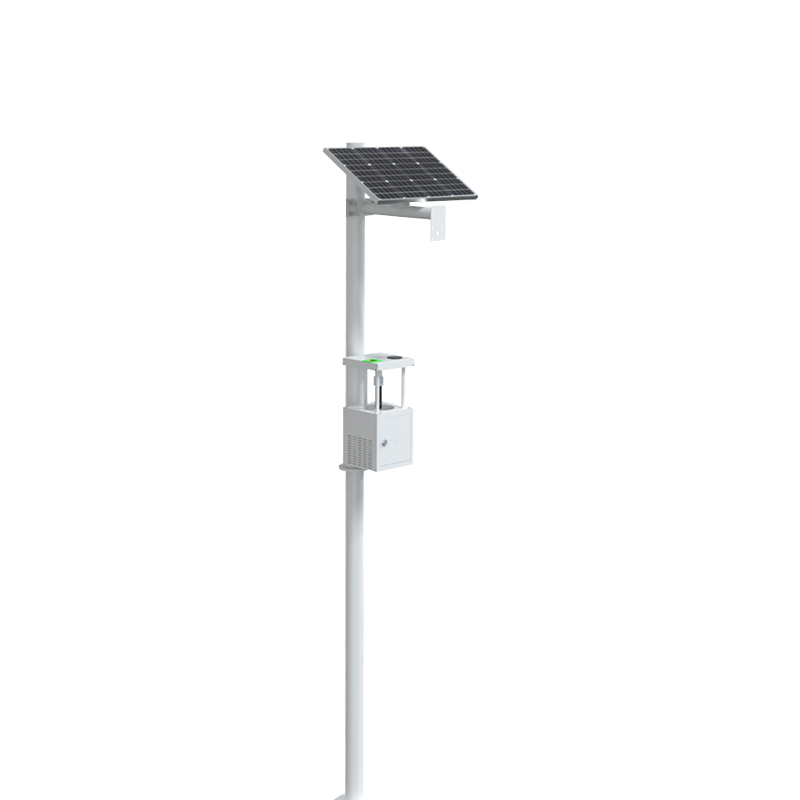
Rainfall Monitoring is an automated field monitoring system based on IoT and radar technology. It uses K-band planar radar to simultaneously measure channel water level and rainfall in a non-contact manner, collecting hydrological data in real time to serve flood control and disaster reduction, water conservancy project operation, and water resource management.
Rainfall Monitoring is a professional hydrological monitoring instrument integrating modern radar sensing and IoT communication technologies. Its core function is to synchronously, continuously, and automatically monitor the water level of natural water bodies or artificial channels and the rainfall in the area in a field environment.
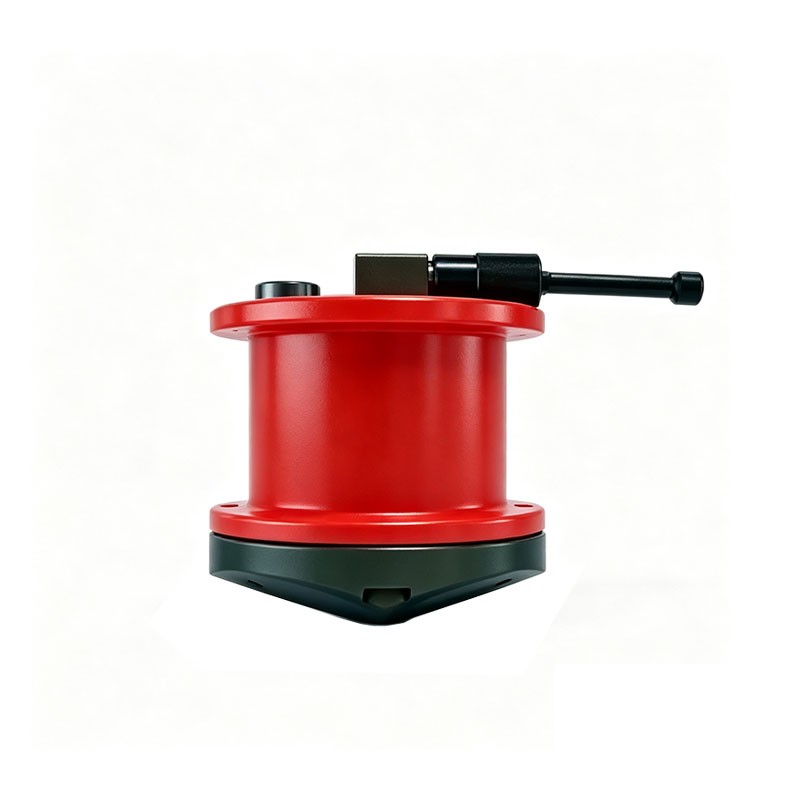
The core technology of this equipment lies in its use of K-band planar radar technology. For water level measurement, the radar sensor is vertically installed above the water surface, emitting microwave signals and receiving echoes. By calculating the signal propagation time, the distance between the sensor and the water surface is accurately calculated, and then the actual water level value is derived. This non-contact measurement method completely avoids the problems of traditional submersible pressure sensors being easily blocked or corroded by silt, debris, and other contaminants, and also eliminates the need for complex well logging facilities. For rainfall measurement, the same radar system analyzes the scattering signals of radar waves by airborne precipitation particles (raindrops) to identify rainfall events and calculate rainfall intensity and cumulative rainfall. Some high-end models employ dual radars or multi-parameter inversion algorithms to further improve the accuracy of rainfall measurements.
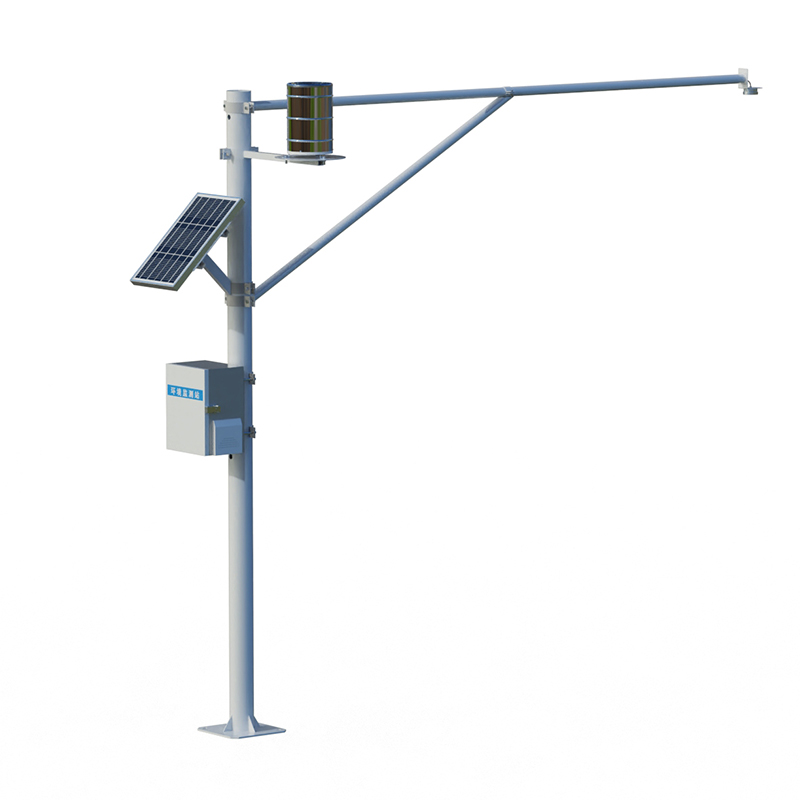
In terms of system composition, the equipment integrates radar sensors, data acquisition units, power supply units (usually solar panels with batteries), and wireless communication modules (such as 4G/5G and BeiDou satellite communication). It can operate stably for extended periods in unattended field environments, automatically transmitting collected water level and rainfall data in real time to a cloud monitoring center or local water management platform via wireless network.
The application value of this equipment is mainly reflected in several key areas of hydrological monitoring. In flood control and disaster reduction, deployment at key locations along rivers and reservoirs allows for real-time monitoring of water level rises and basin rainfall, providing minute-level on-site data for flood warnings and dispatch decisions, thus gaining valuable emergency response time. In the construction and operation of water conservancy projects, such as irrigation districts and water diversion projects, it is used to accurately monitor canal water levels and regional precipitation, enabling efficient allocation of water resources and safe operation of the project. In water resource management, long-term continuous monitoring data helps analyze regional water resource conditions, assess rainfall-runoff relationships, and provide a scientific basis for water resource planning.
In summary, Rainfall Monitoring has revolutionized the way hydrological parameters are collected by combining advanced non-contact radar measurement technology with an Internet of Things (IoT) architecture. It solves the problems of difficult maintenance and poor data continuity in field environments associated with traditional monitoring methods, significantly improving the automation level, data reliability, and timeliness of hydrological monitoring. It is an important front-end sensing device in modern smart water conservancy and disaster prevention and mitigation systems.
This paper addresses:https://fengtusz.com/technical/907.html