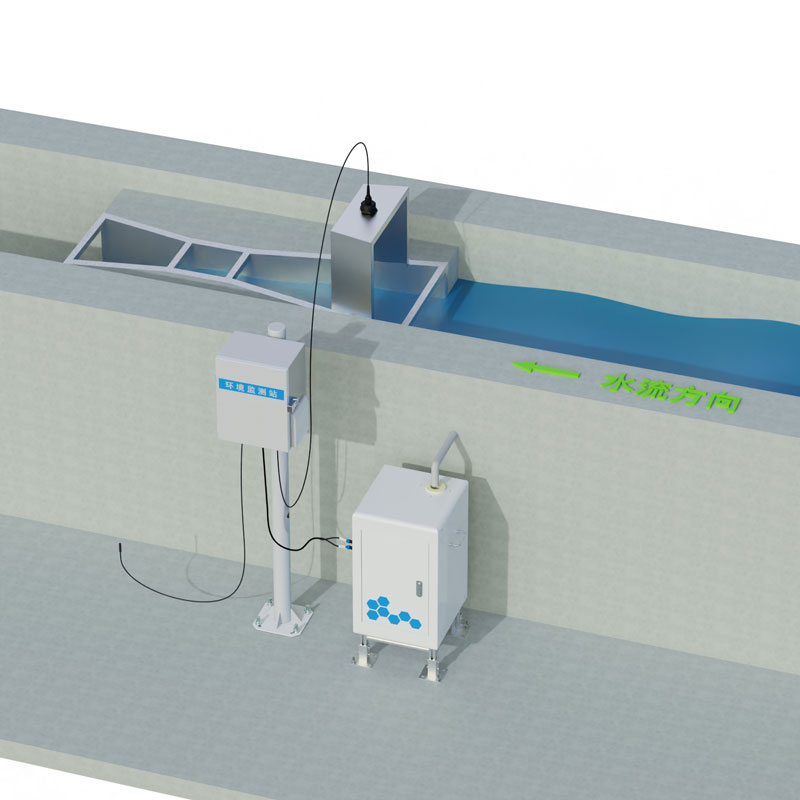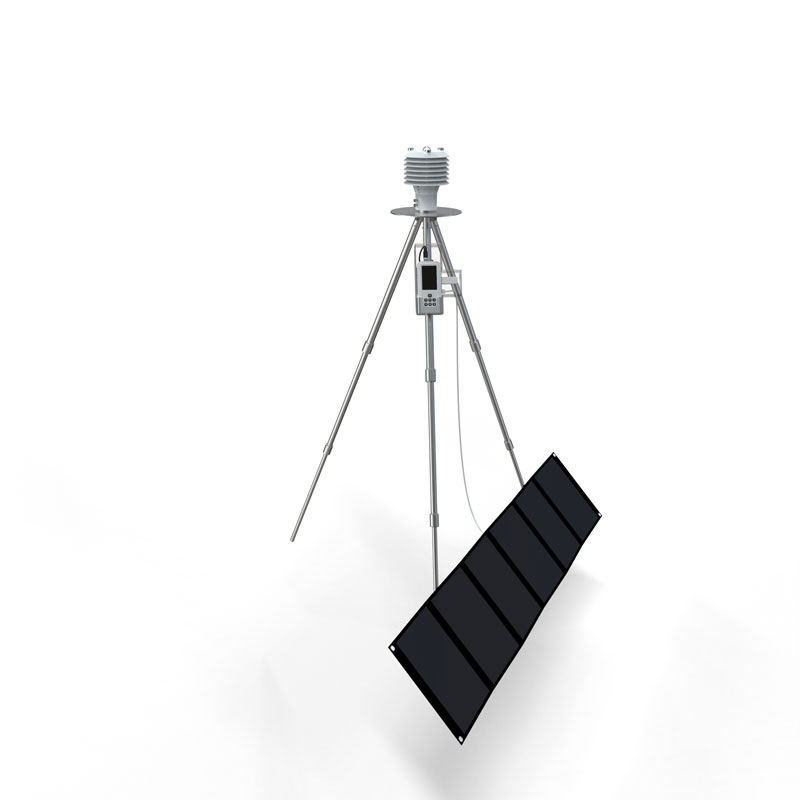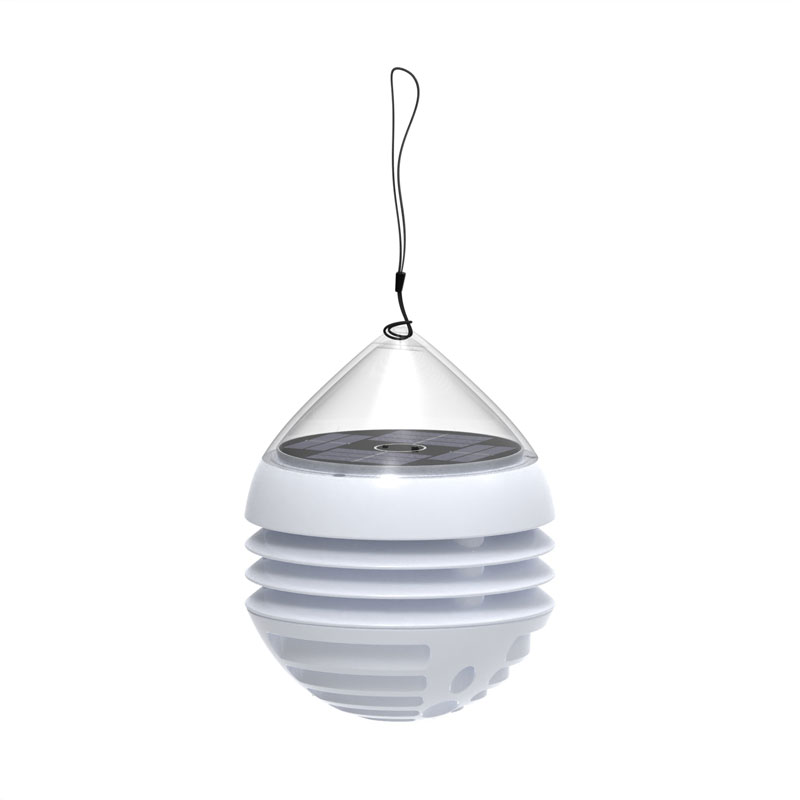

Well Level Monitoring Utilizing the principle of hydrostatic pressure, this device employs integrated pressure-sensitive components as its sensor probe. With a measurement range extending up to 300 meters, it is ideally suited for measuring water levels in deep groundwater wells, deep mine shafts, and geothermal wells.
Well Level Monitoring This specialized instrument is designed specifically for deep well water level measurement applications, including groundwater monitoring, mine shaft water level tracking, and geothermal well management. The device's impressive measurement range of up to 300 meters ensures it can meet the monitoring requirements of the vast majority of deep well scenarios.
The monitor operates based on the principle of hydrostatic pressure. According to fundamental physics, the pressure at any given point within a static body of water is directly proportional to the height of the water column situated above that point. The device utilizes integrated pressure-sensitive components to construct its sensor probe; the probe houses high-precision pressure-sensing elements that, when submerged, detect a water pressure value bearing a linear relationship to the height of the water column above the probe.
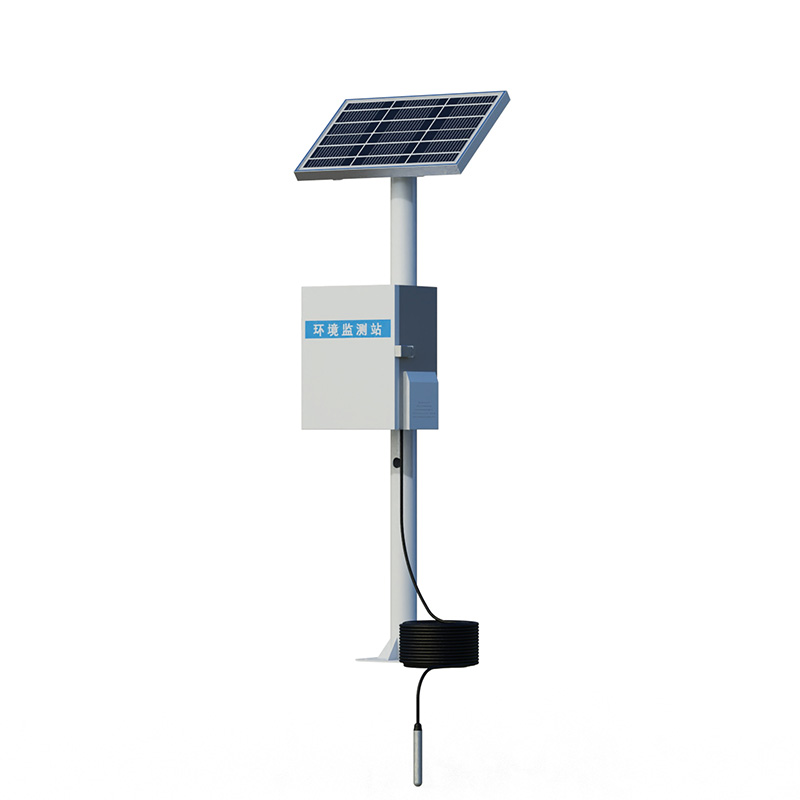
During actual measurement operations, the sensor probe is fixed at a specific submerged location within the well. The probe measures the water pressure at that specific point and, based on the proportional relationship between water pressure and depth, calculates the height of the water column above the probe—effectively determining the distance from the probe to the water surface. By adding this calculated distance to the known elevation of the probe's fixed position, the absolute elevation of the water surface (or the relative water level) can be accurately determined. This measurement methodology eliminates the need for direct contact with the water surface, thereby avoiding the inherent drawbacks of traditional float-type water level gauges—such as interference caused by friction against well walls or fluctuations in the water surface.
The structural design of the sensor probe has been carefully engineered to accommodate the unique characteristics of deep well environments. The probe's housing is constructed from corrosion-resistant stainless steel, ensuring long-term durability and resistance to degradation when submerged in groundwater, mine drainage, or geothermal fluids. The pressure-sensitive components are hermetically sealed within the probe and isolated from the surrounding water by a pressure-transmitting diaphragm; this design not only guarantees the accuracy of pressure transmission but also prevents direct contact between the sensitive components and the water, thereby safeguarding against potential damage. The signal cable utilized is a high-strength armored cable featuring superior tensile strength, capable of withstanding both the weight of the probe itself and the tensile forces exerted during the installation process.
Typically, the monitoring device outputs data via an RS485 digital signal interface, supporting the Modbus communication protocol. Users can retrieve water level data either via a data collector or by directly connecting the device to a computer. The device supports long-term continuous monitoring, with a configurable sampling interval to suit specific requirements, making it ideal for applications where real-time tracking of water level fluctuations is essential.
In deep-well applications, the groundwater level monitor facilitates the dynamic monitoring of groundwater resources and aids in assessing changes in regional groundwater reserves. In mining operations, the device is utilized to monitor water levels within mine pits, thereby providing critical data support for mine safety management. In geothermal well applications, the device monitors changes in geothermal water levels, assisting in the assessment of geothermal resource extraction status. By employing the principle of hydrostatic pressure measurement, this device achieves accurate measurement of water levels in deep wells.
This paper addresses:https://fengtusz.com/technical/957.html