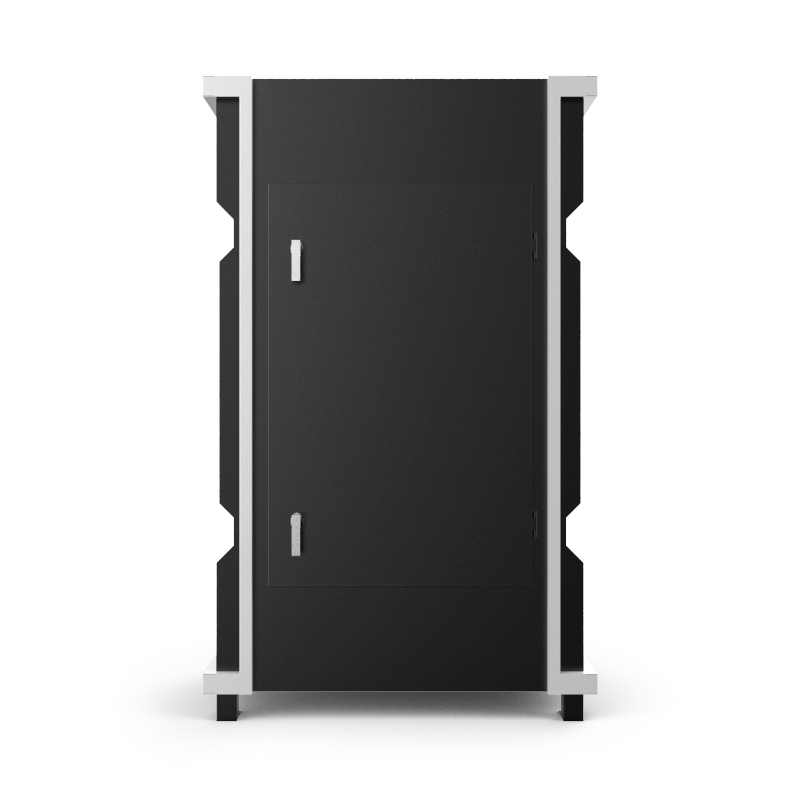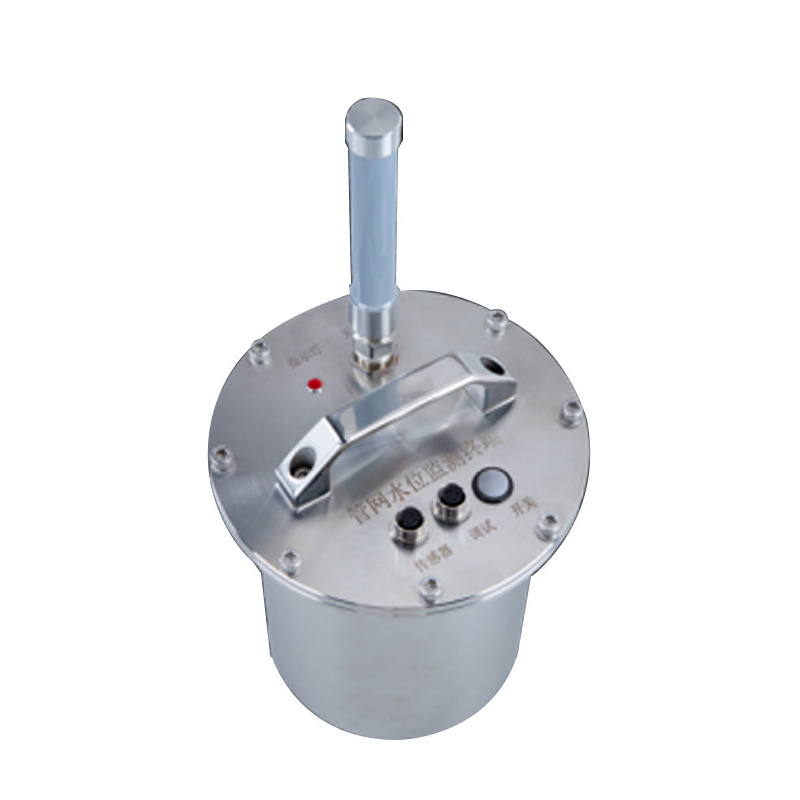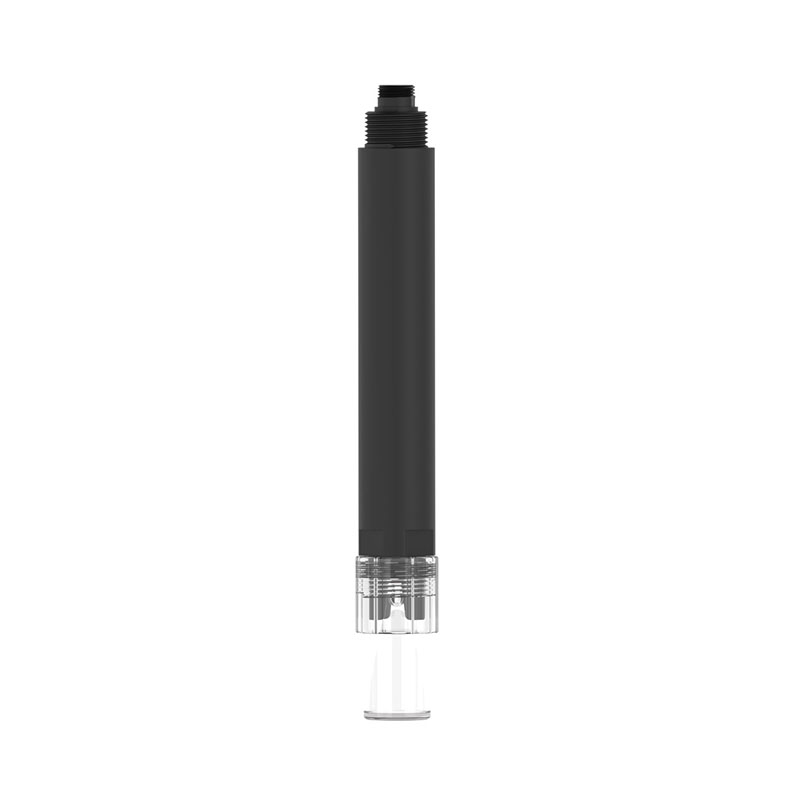
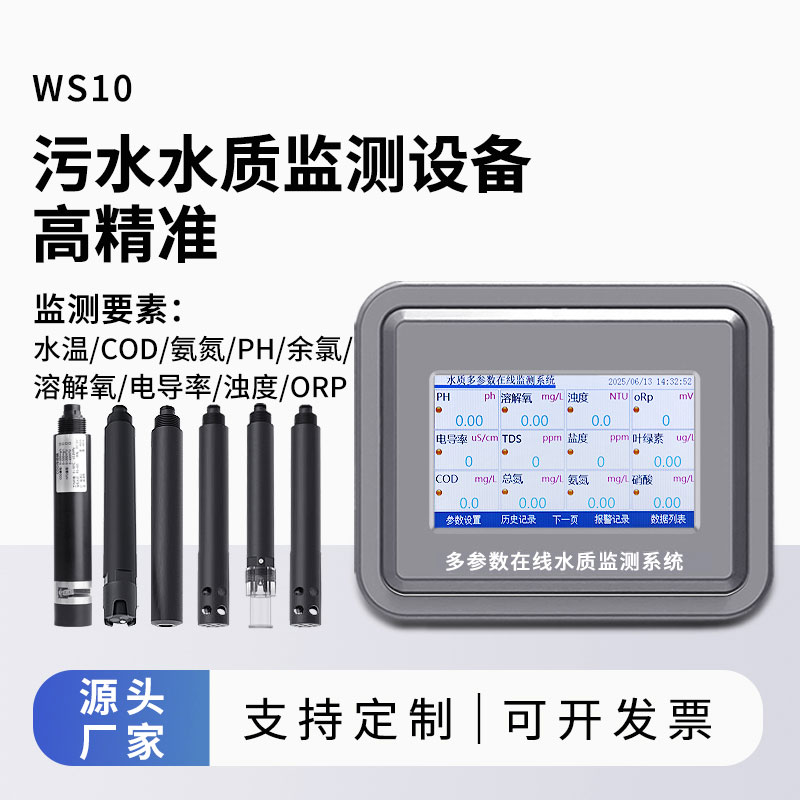
This equipment can measure nine parameters in real time: water temperature, COD, ammonia nitrogen, pH, residual chlorine, dissolved oxygen, conductivity, turbidity, and ORP. The equipment can be deployed at key locations such as wastewater inlets, various process treatment units, effluent outlets, in-plant circulating water tanks, and sludge dewatering wastewater collection tanks, providing continuous data support for wastewater treatment process control and compliance with discharge standards.
Wastewater quality monitoring is a core component of wastewater treatment plant operation management and environmental supervision. Traditional water quality monitoring uses manual sampling followed by laboratory analysis, which typically takes several hours to days from sampling to issuing a test report. This method cannot reflect water quality changes in real time and is difficult to provide timely warnings during sudden pollution shocks. Online wastewater quality monitoring equipment installs multiple sensors directly in process pipelines or tanks, achieving simultaneous monitoring of key indicators through continuous water suction and automatic analysis. Common monitoring parameters include chemical oxygen demand (COD), ammonia nitrogen (ANO), pH, dissolved oxygen (DO), conductivity, turbidity, water temperature, residual chlorine, and redox potential (RPP). COD reflects the total amount of organic pollutants in the water, while ANO characterizes the concentration of nitrogenous pollutants; these two are the most crucial indicators for judging wastewater treatment effectiveness. pH and dissolved oxygen directly relate to the activity and metabolic efficiency of microorganisms in the biological treatment unit.
Wastewater quality monitoring equipment is deployed across the entire wastewater treatment process. Monitoring points at the wastewater inlet allow for real-time monitoring of raw water quality fluctuations, providing a basis for adjusting reagent dosages in pretreatment processes. When COD or ANO in the influent rises abnormally, the central control system receives an alarm promptly, allowing operators to adjust aeration and reflux ratios accordingly. Monitoring points at each treatment unit, such as primary sedimentation tanks, biological treatment tanks, secondary sedimentation tanks, and advanced treatment units, track pollutant removal efficiency and determine whether each unit is operating normally. For example, monitoring dissolved oxygen and ANO at the end of the biological treatment tank can assess the adequacy of nitrification. Installing online monitoring equipment at the plant's discharge outlet is a key measure to meet environmental protection authorities' regulatory requirements for wastewater discharge compliance. Discharge outlet monitoring data typically needs to be uploaded to an environmental monitoring platform in real time to ensure that the discharged water quality meets national emission standards. In addition, water quality monitoring equipment is also required in the plant's circulating water tanks and sludge dewatering wastewater collection tanks to ensure that the quality of reclaimed water meets process requirements and to prevent excessive backflow of wastewater generated during sludge treatment.
From a measurement principle perspective, different parameters employ different sensor technologies. Chemical oxygen demand (COD) and ammonia nitrogen are often measured using high-temperature digestion combined with optical colorimetry. After the water sample reacts with the oxidant under heating conditions, the concentration is calculated by measuring the absorbance at a specific wavelength using a spectrophotometer. pH value is measured using the glass electrode method to measure hydrogen ion activity. Dissolved oxygen is measured using fluorescence quenching or electrochemical methods. Conductivity reflects ion concentration by measuring the resistance value of the water sample. Turbidity is measured using the 90-degree scattering light method. Residual chlorine is measured using the membrane electrode method. Redox potential is measured using a platinum electrode. These sensors are integrated into a single device, working in conjunction with automatic cleaning and calibration modules, enabling long-term stable operation under unattended conditions. The continuous data acquired by the wastewater treatment plant's online monitoring system is not only used for daily process control and early warning of exceeding standards, but also accumulates to form historical trends, assisting in optimizing operational strategies and achieving energy conservation and emission reduction.
This paper addresses:https://fengtusz.com/company/987.html