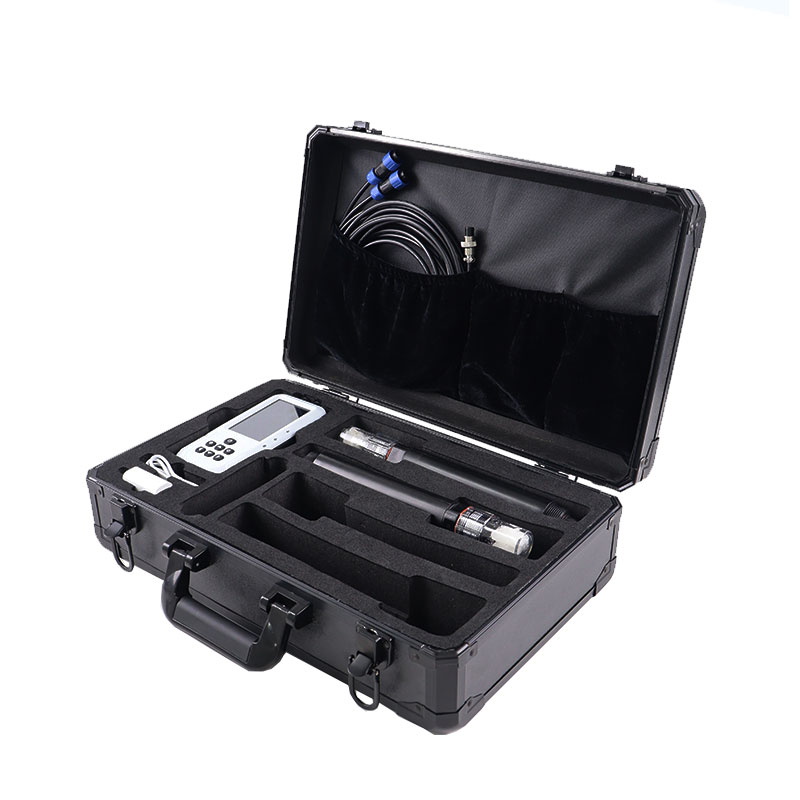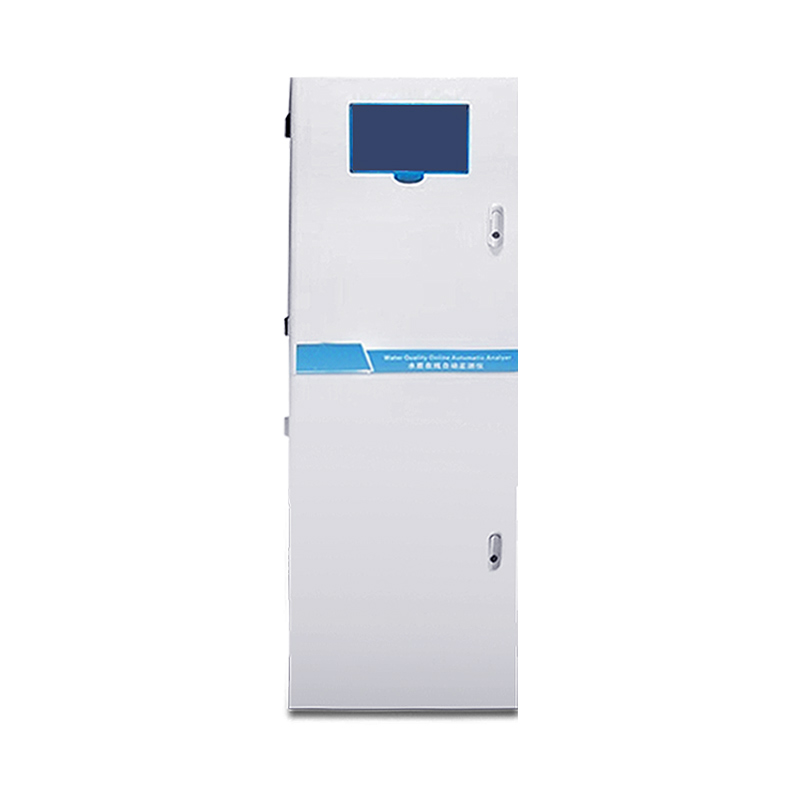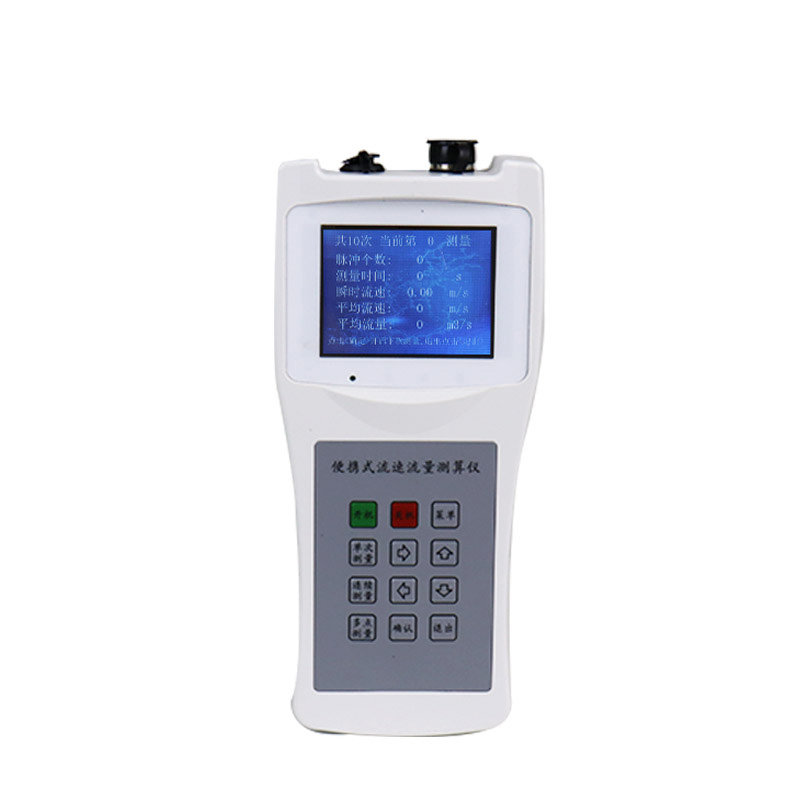

The dissolved oxygen sensor measures dissolved oxygen concentration in water using the fluorescence lifetime method, with a range of 0 to 20 mg/L, a resolution of 0.01 mg/L, and an accuracy of ±2%. An integrated temperature sensor enables automatic temperature compensation, and the RS485 interface supports the MODBUS protocol, allowing for online monitoring and recording of historical data. It is suitable for water quality monitoring and wastewater treatment applications.
A dissolved oxygen sensor is an instrument capable of online monitoring of dissolved oxygen concentration and water temperature in water bodies. Dissolved oxygen is a crucial indicator of a water body's self-purification capacity and has key monitoring value in wastewater treatment, aquaculture, drinking water source protection, and natural water body ecological assessment. Traditional electrochemical dissolved oxygen sensors rely on electrode redox reactions for detection, which suffers from continuous electrolyte consumption, electrode contamination, and the need for high-frequency maintenance. The fluorescence-based dissolved oxygen sensor, using optical measurement principles, fundamentally solves these technical limitations.
In terms of measurement principle, this sensor operates based on fluorescence quenching technology. The sensor's fluorescent cap is coated with a highly selective fluorescent probe material. The device emits blue light of a specific wavelength, which illuminates the fluorescent probe, exciting the probe molecules and causing them to release red light. When dissolved oxygen is present in the water, oxygen molecules diffuse to the sensor membrane surface and exchange physical energy with the excited fluorescent molecules, resulting in weaker fluorescence intensity and a shorter lifetime. The sensor calculates the oxygen concentration by detecting the phase difference between the red and blue light and comparing it with an internal calibration value. The entire process involves non-radiative energy transfer, with no chemical reactions or material consumption.
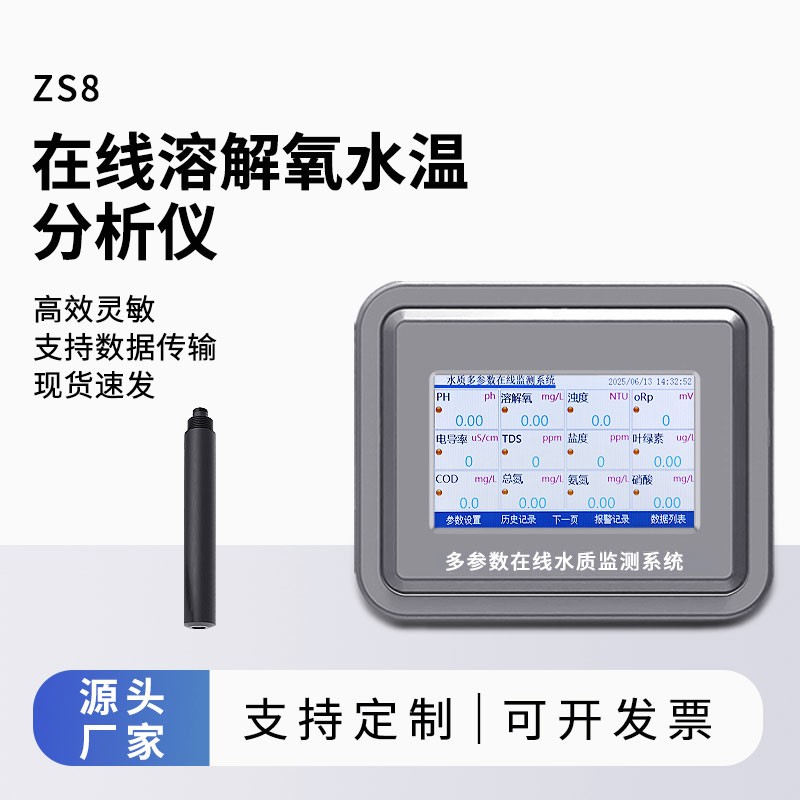
In terms of technical parameters, this sensor measures dissolved oxygen in the range of 0 to 20 mg/L, with a resolution of 0.01 mg/L and a measurement accuracy of ±2%. It has a built-in temperature sensor with automatic water temperature compensation. It operates in ambient temperatures from 0 to 50°C, has an IP68 protection rating, and can be submerged in water for extended periods. The output is via an RS-485 interface, supporting the standard MODBUS protocol, and an optional 4-20mA analog output is also available. The sensor features immersion mounting with 3/4 NPT mounting threads, a DC 12V to 24V power supply, and a power consumption of only 0.2W. Its membrane-free and electrolyte-free design eliminates oxygen consumption, has no flow rate limitations, requires no maintenance or calibration, and is unaffected by hydrogen sulfide interference.
In practical applications, this sensor can be deployed in wastewater treatment plant aeration tanks for dissolved oxygen control to optimize activated sludge treatment efficiency. In aquaculture, the sensor monitors dissolved oxygen in water and works in conjunction with aeration equipment to prevent fish mortality due to oxygen depletion. It can also be used for early warning of drinking water source quality, ecological health assessment of natural water bodies such as rivers and lakes, and online monitoring of industrial wastewater discharge outlets. The sensor supports historical monitoring data recording and alarm history storage, and supports historical data export. The RS485 interface allows connection and data transmission with PLCs, DCSs, configuration software, DTUs, and other devices, facilitating integration into existing monitoring systems. The device supports expansion with multi-parameter water quality sensors, allowing for flexible configuration and combination according to different needs and applications.
This paper addresses:https://fengtusz.com/industry/1035.html