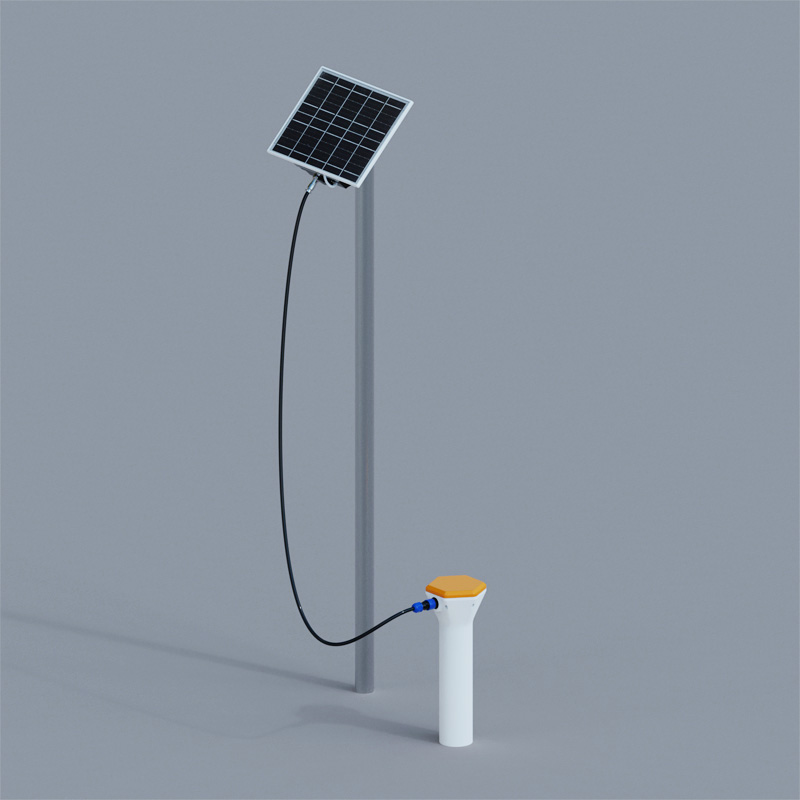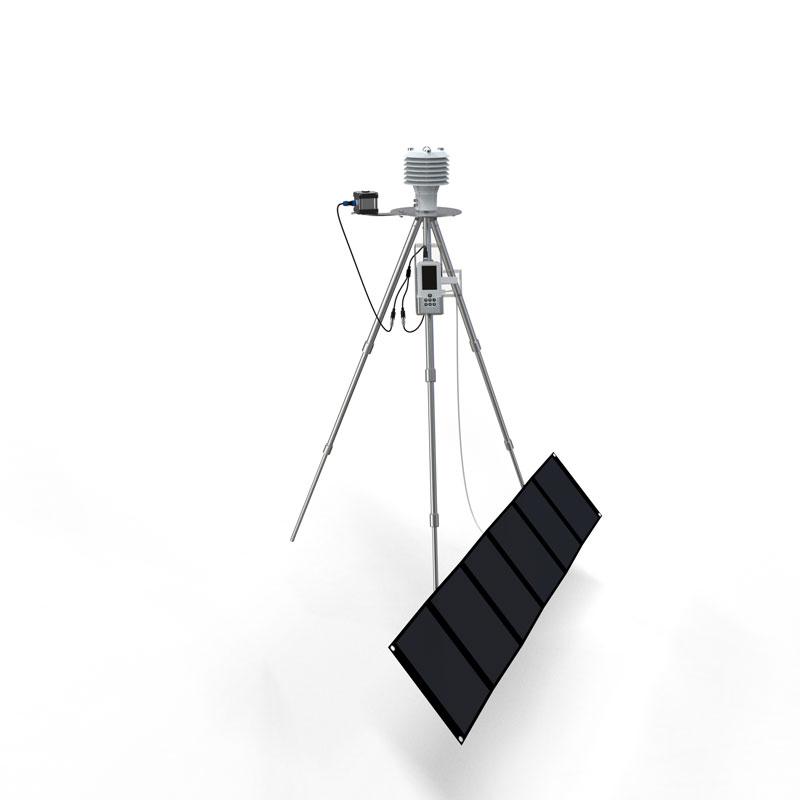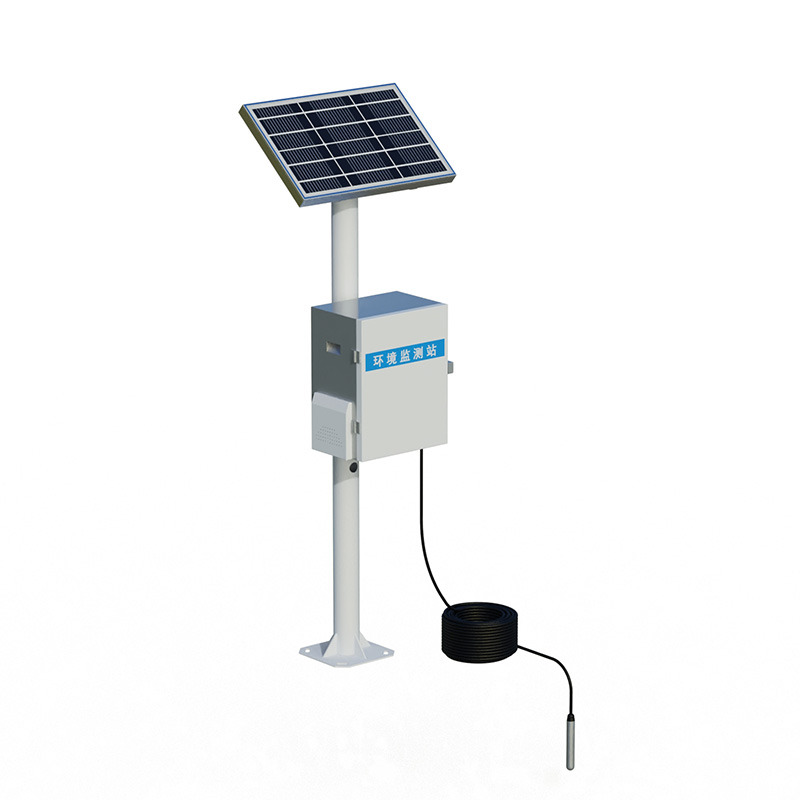

Inspecting the water quality of rural centralized drinking water sources can be achieved by installing online multi-parameter monitoring instruments to measure residual chlorine, pH, turbidity, conductivity, and water temperature in real time. These instruments operate automatically and continuously, transmitting data remotely, helping managers to promptly monitor water quality changes, ensure water supply safety, and reduce the workload of manual sampling and testing.
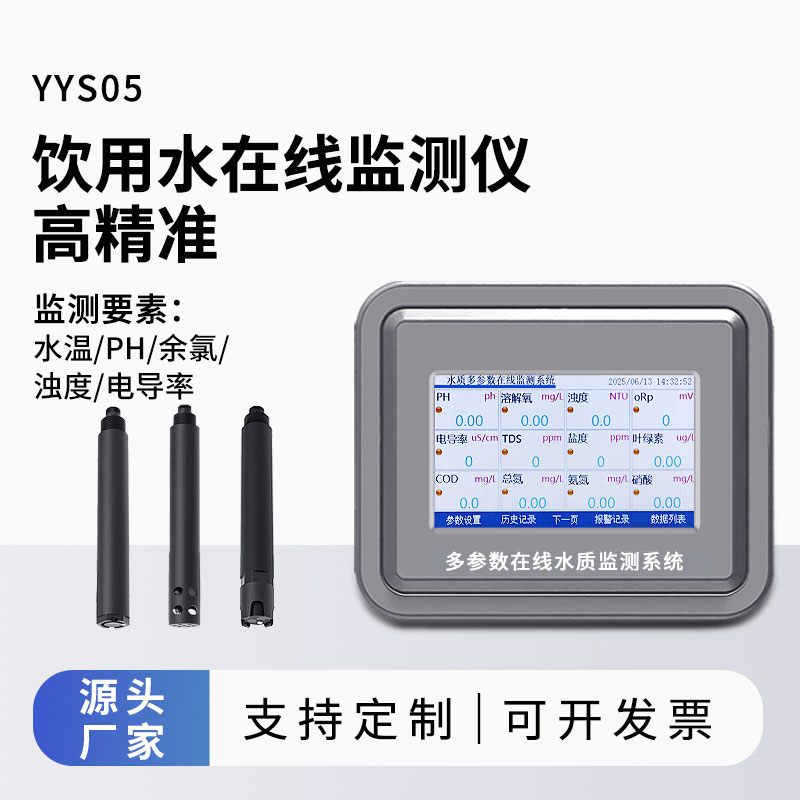
Inspecting the water quality of rural centralized drinking water sources is a crucial step in ensuring the safety of drinking water for rural residents. Traditional inspection methods rely on periodic manual sampling and laboratory testing, which is time-consuming, costly, and unable to detect sudden pollution events. With the development of online monitoring technology, multi-parameter water quality monitoring instruments installed at the water intake of the source or the water plant's inlet pipeline can now be used to achieve real-time continuous monitoring of key indicators. These instruments typically integrate five electrodes or optical sensors for residual chlorine, pH, turbidity, conductivity, and temperature, and can output measurement data at a frequency of minutes.
Residual chlorine is a direct indicator of disinfection effectiveness. Rural centralized water supply systems typically use chlorine disinfection, and the residual chlorine in the effluent must be maintained above 0.3 mg/L to effectively inhibit bacterial regeneration. Online residual chlorine sensors use membrane electrodes or the DPD colorimetric method to continuously monitor the free residual chlorine content in the water, triggering an alarm immediately if it falls below the set value. pH affects disinfection efficiency and pipe corrosion rate, with an optimal range of 6.5–8.5. A glass electrode measures pH in real time and features automatic temperature compensation to avoid reading deviations caused by water temperature fluctuations. Turbidity reflects the concentration of suspended particulate matter in the water and is a core parameter for evaluating coagulation, sedimentation, and filtration effects. It is measured using the 90-degree scattering light method, with a range of 0–100 NTU and an accuracy of ±5%. Conductivity indicates the total dissolved solids content in the water; excessive changes may indicate that the water source is affected by surface water inflow or sewage discharge. Alternating current measurement is performed using graphite or platinum electrodes.
When installing this instrument, the probe must be immersed in the flowing water intake pipe to prevent air bubbles from affecting the measurement. The probe connects to the data acquisition and transmission unit via cable. This unit features an LCD display and buttons, allowing for on-site viewing of values and zero-point calibration. The instrument supports 4-20mA or RS485 output, and data can be integrated into the water plant's central control system or a remote cloud platform. Management personnel can view the current five parameters and historical curves anytime via computer or mobile app, eliminating the need for daily on-site sampling. When any indicator exceeds the national standard limit, the system automatically sends an SMS or pops up an alarm window, reminding technicians to take measures such as adjusting chlorination dosage, backwashing the filter, or investigating the source of pollution.
Compared to laboratory testing, online monitoring not only improves timeliness but also accumulates continuous data for trend analysis. For example, if conductivity increases during the rainy season, it indicates that surface runoff may be carrying minerals, requiring enhanced raw water monitoring. Rural water plants often lack professional testing personnel; online instruments lower the operational barrier, requiring only weekly electrode verification with a standard solution. Currently, many provinces have incorporated online monitoring of centralized rural drinking water sources into rural water supply security projects, requiring large-scale water plants to install at least online residual chlorine and turbidity monitoring instruments. Using a multi-functional instrument that covers five parameters can provide a more comprehensive control over water quality and ensure reliable safe drinking water for rural residents.
This paper addresses:https://fengtusz.com/industry/1021.html