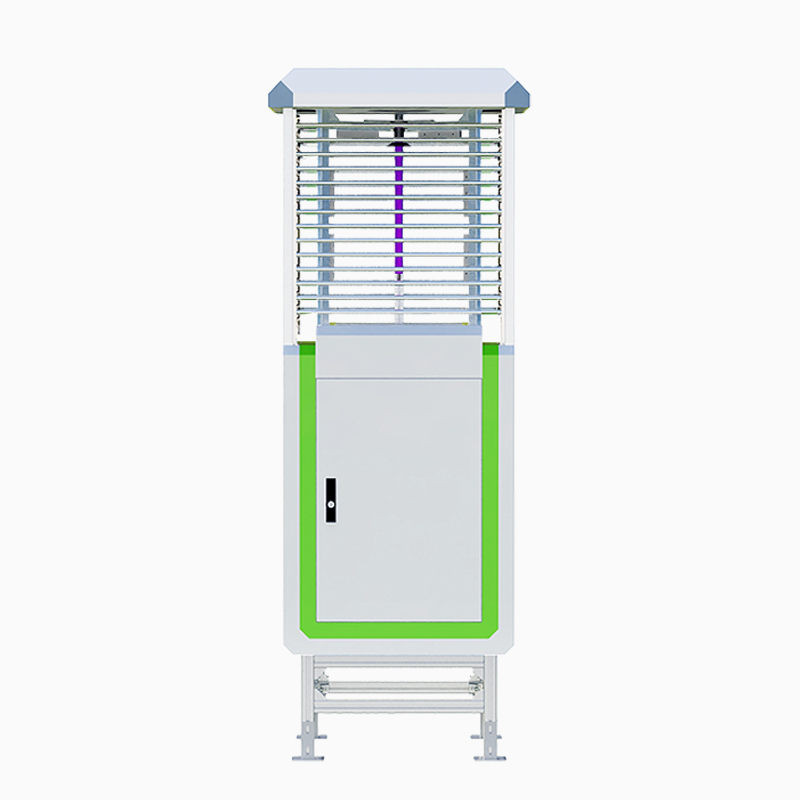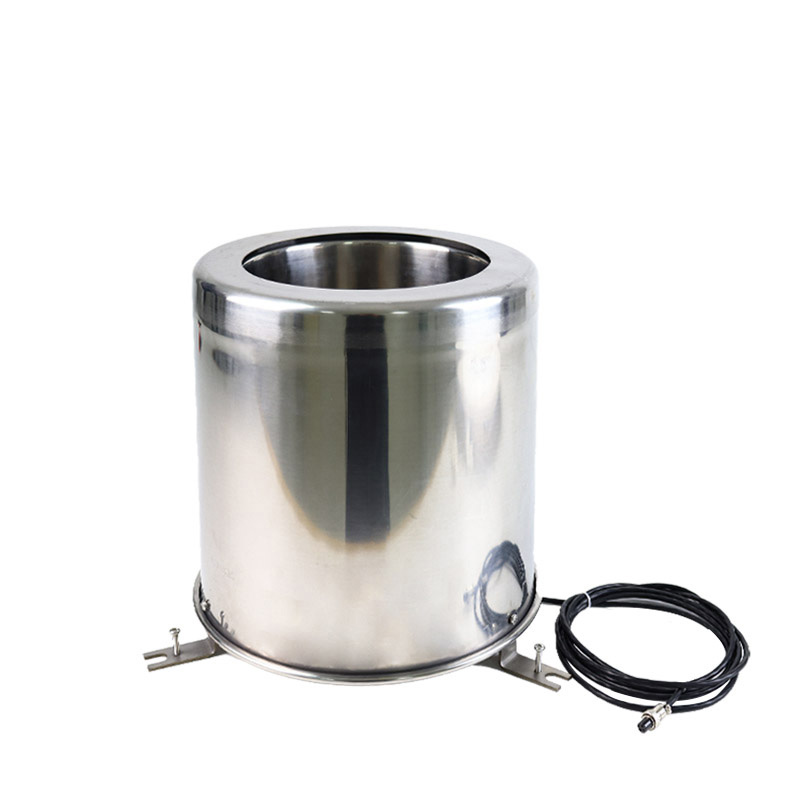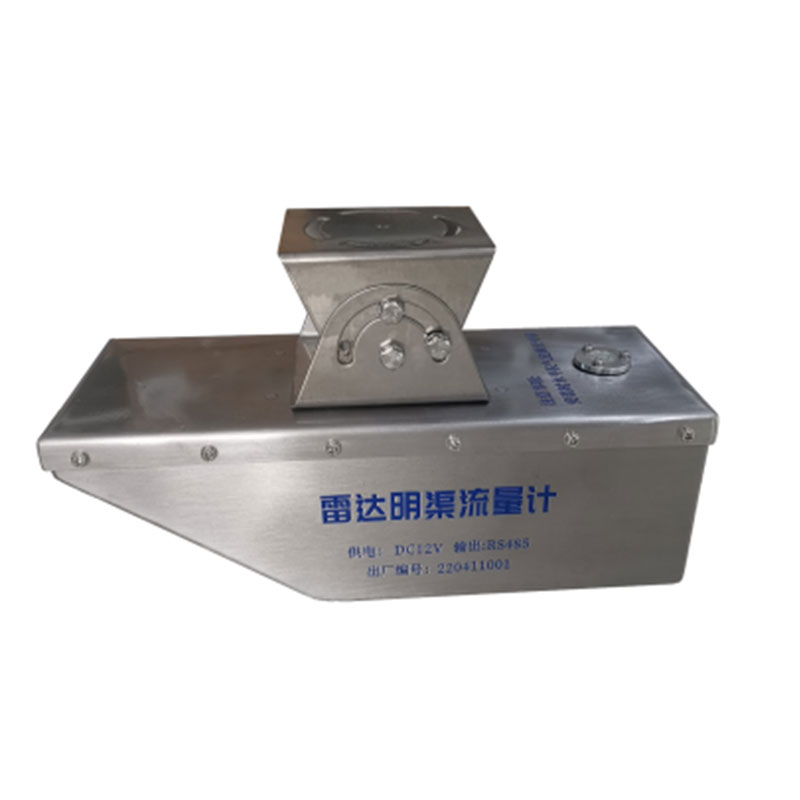
Rainfall Monitoring is a fully automated online hydrological monitoring system based on microwave technology. Utilizing K-band planar radar technology, it simultaneously measures water level and rainfall in channels without contact. The device's built-in software algorithm calculates and outputs real-time data, featuring low power consumption, small size, high reliability, and easy maintenance. The measurement process is unaffected by factors such as temperature, sediment, river pollutants, and floating debris, making it widely applicable in hydrological, meteorological, river, reservoir, agricultural, forestry, highway, and railway field environments.
Rainfall Monitoring is an intelligent device specifically designed for monitoring rainfall and water level changes, serving as a crucial technical means for flood control, drought relief, water resource management, and ecological environmental protection. This monitoring station employs K-band planar radar technology, emitting high-frequency electromagnetic waves and receiving water surface echoes to non-contactly measure water level and rainfall. Based on its built-in software algorithm, it calculates and outputs real-time cross-sectional flow and cumulative flow. The non-contact measurement design avoids the risks of traditional invasive sensors being entangled in water debris and corroded, significantly reducing equipment failure rates and manual maintenance costs, and dramatically improving long-term operational stability.
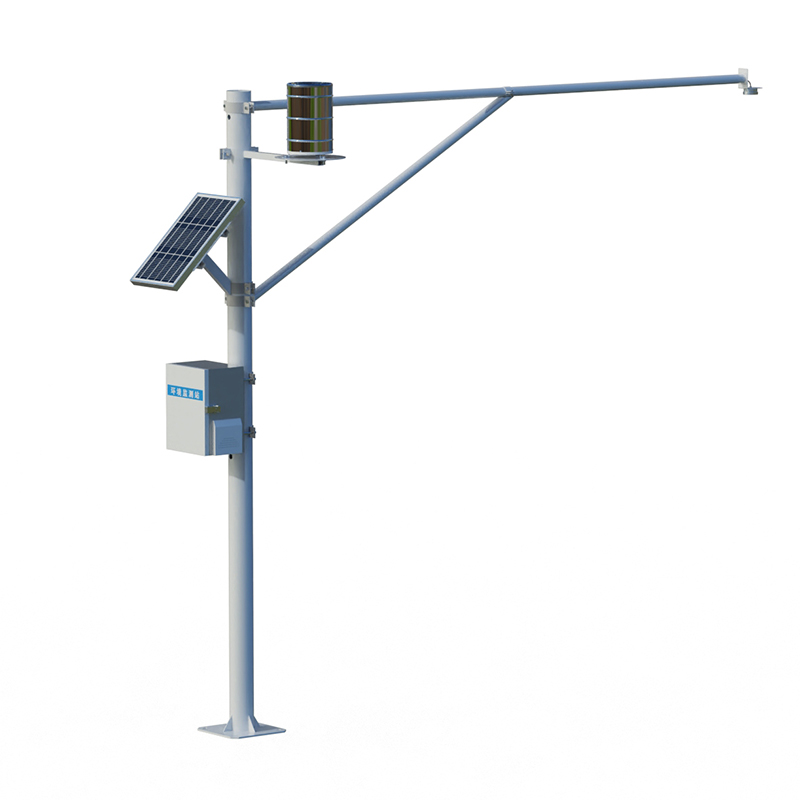
Rainfall Monitoring features low power consumption, compact size, high reliability, and easy maintenance. The overall protection rating reaches IP65 or higher, and the core sensor reaches IP68, enabling stable operation in harsh environments such as high temperature, high humidity, and extreme cold. In specific applications, this device can be used for non-contact flow measurement in rivers, irrigation canals, underground drainage networks, and flood control early warning systems. It solves the problem of obtaining accurate data in complex water conditions using traditional measurement methods, providing reliable data support for water conservancy project scheduling. With extremely low power consumption, and equipped with a solar power system and battery, it can maintain normal operation for more than 45 days under continuous cloudy and rainy weather conditions without sunlight, truly achieving 24/7 unattended operation. It is suitable for deployment at remote hydrological stations without power grid coverage. The measurement process is unaffected by factors such as temperature, sediment, river pollutants, and floating debris, ensuring long-term data accuracy and stability, and adapting to various complex hydrological environments.
In terms of data transmission, Rainfall Monitoring acquires data through water level sensors and is powered by solar panels, enabling real-time data transmission to the cloud platform. It remotely monitors hydrological elements such as water level and rainfall in real time, sending the monitoring data to the cloud via a 4G full-network module. This allows flood control command centers at all levels to intuitively grasp the dynamics of water and rainfall conditions across the entire region through a single GIS map, improving the data acquisition efficiency and emergency response capabilities of water conservancy management departments. The supporting cloud monitoring platform features functions such as a map overview of station distribution, real-time data display, historical curve query, cumulative rainfall bar chart analysis, PDF report export, and mobile APP monitoring, facilitating access for users at different levels. By setting water level and rainfall alarm thresholds, the system can automatically issue alarm information when exceeding warning levels, providing accurate decision-making basis for flash flood warnings and urban flood prevention.
This paper addresses:https://fengtusz.com/company/993.html