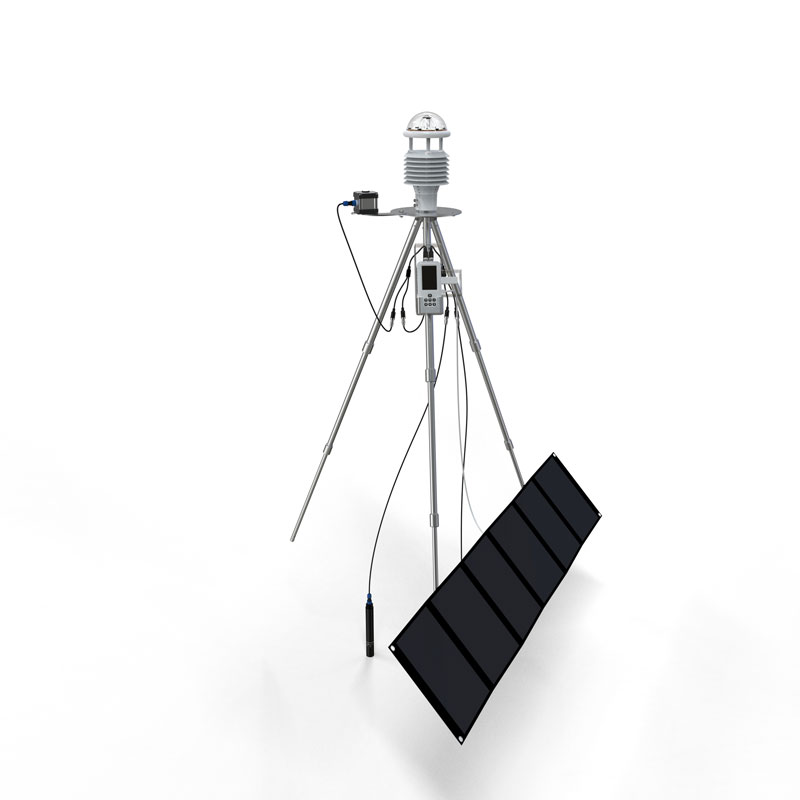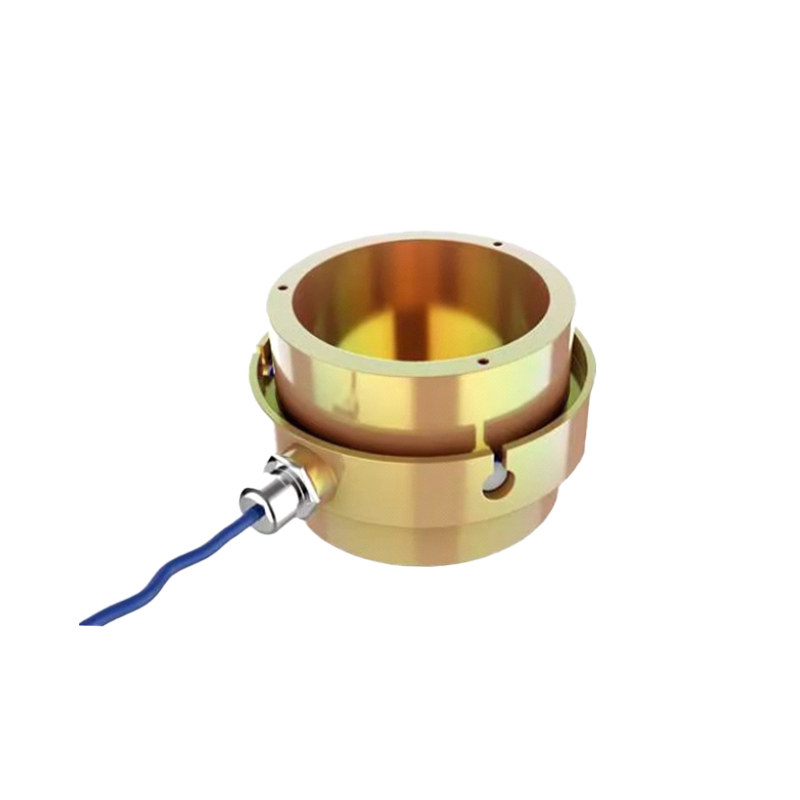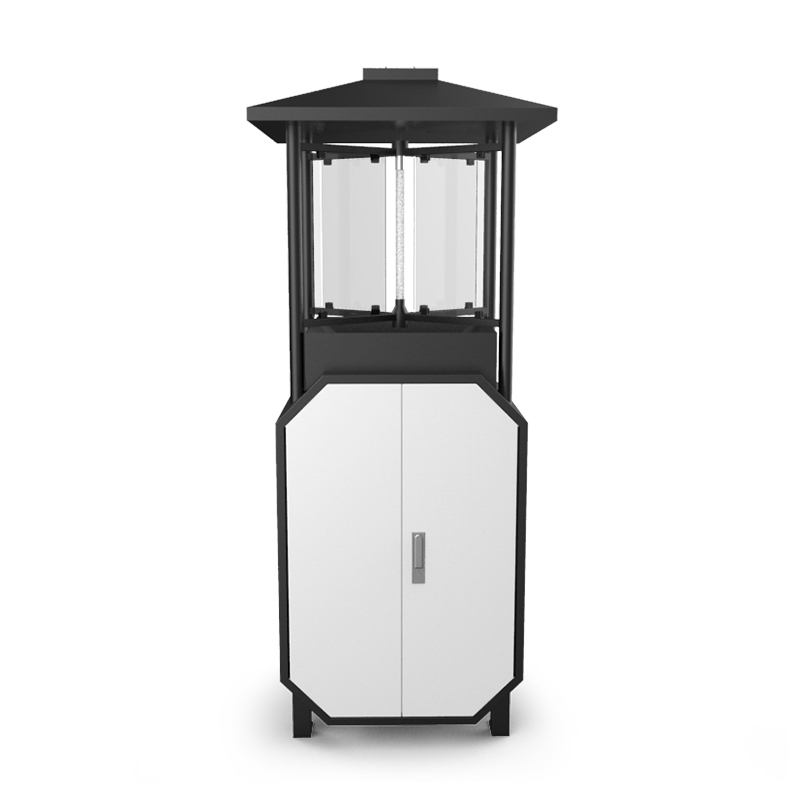

The real-time water quality monitoring instrument consists of multiple sensors, including those for residual chlorine, pH, water temperature, turbidity, and conductivity. These sensors are fixed to the flow-through tank via threads or tight-fitting fasteners. It can be installed at key monitoring points in water treatment plants, pipe networks, secondary water supply systems, and swimming pools, supporting 24-hour continuous online monitoring and anomaly early warning.
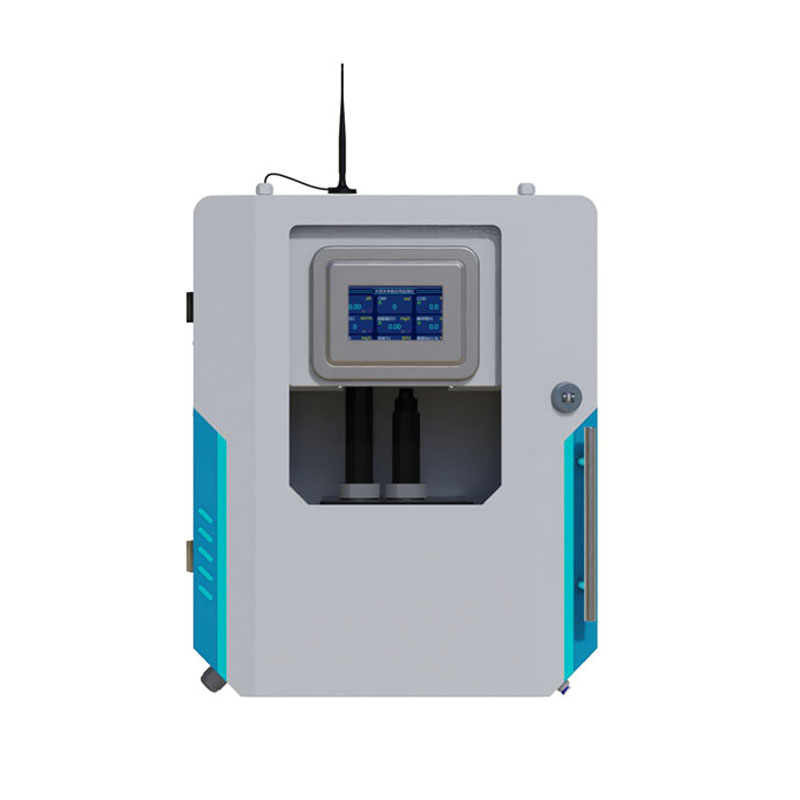
The real-time water quality monitoring instrument is an online analytical device that continuously monitors key water indicators through a multi-parameter sensor array. The device mainly consists of five types of sensors: residual chlorine, pH, water temperature, turbidity, and conductivity. Each sensor is fixed to the flow-through tank via threads or tight-fitting fasteners.
Regarding sensor parameter configuration, residual chlorine is measured using the electrode method, with a range of 0 to 5.00 mg/L and a measurement accuracy of ±5% of the reading. The pH sensor uses the electrochemical salt bridge principle, with a measurement range of 0 to 14 and an accuracy of ±0.1 pH value. The temperature sensor uses a high-precision digital sensor with a range of 0 to 85℃ and an accuracy of ±0.1℃. The turbidity sensor operates based on the scattered light method, with a measurement range of 0 to 1000 NTU and an accuracy of ±1%. The conductivity sensor uses the contact electrode method, with a measurement range of 0 to 10000 µS/cm and an accuracy of ±1.5%. Each sensor maintains water sample stability through a flow-through cell, ensuring the measurement process is unaffected by external pressure fluctuations.
In terms of application scenarios, the real-time water quality monitoring instrument is widely deployed in urban or rural waterworks, water supply networks, secondary water supply pumping stations, end-user points, indoor swimming pools, and large-scale water purification equipment. It is an indispensable online analysis device in water plant process control, water conservancy and water affairs management, and health supervision.
Regarding system operation, the equipment typically consists of a data acquisition unit, sensor units, a flow-through cell, a power supply system, and a remote communication module. Each sensor uploads data to a cloud platform via an RS485 interface using the MODBUS protocol. Users can remotely view water quality data via computer or mobile terminal. The system supports real-time alarms and historical curve analysis.
This paper addresses:https://fengtusz.com/technical/981.html