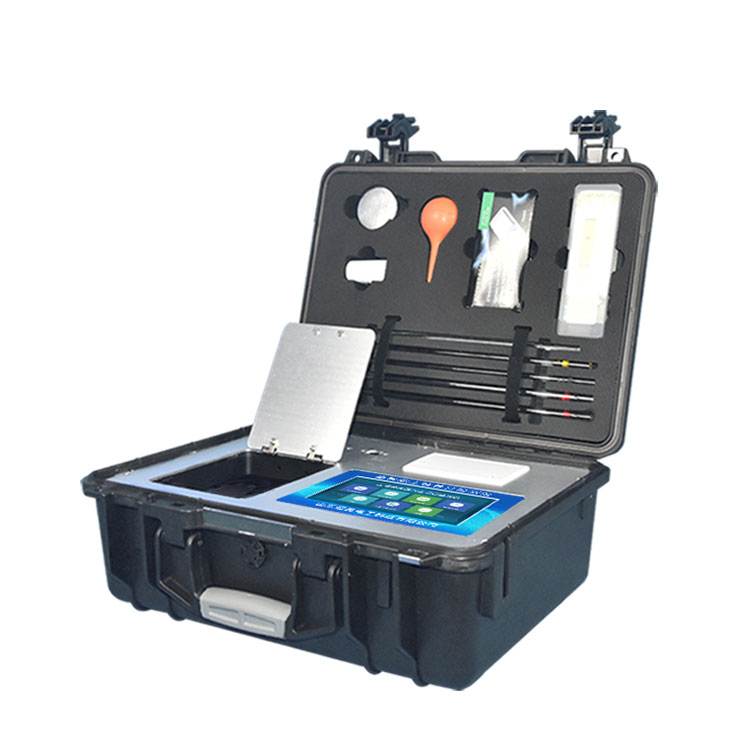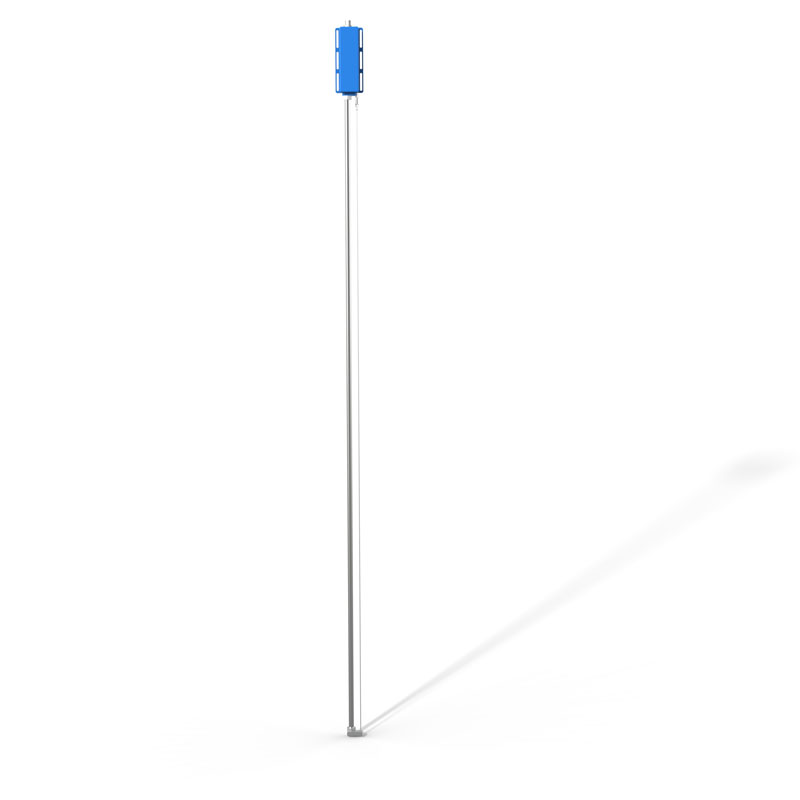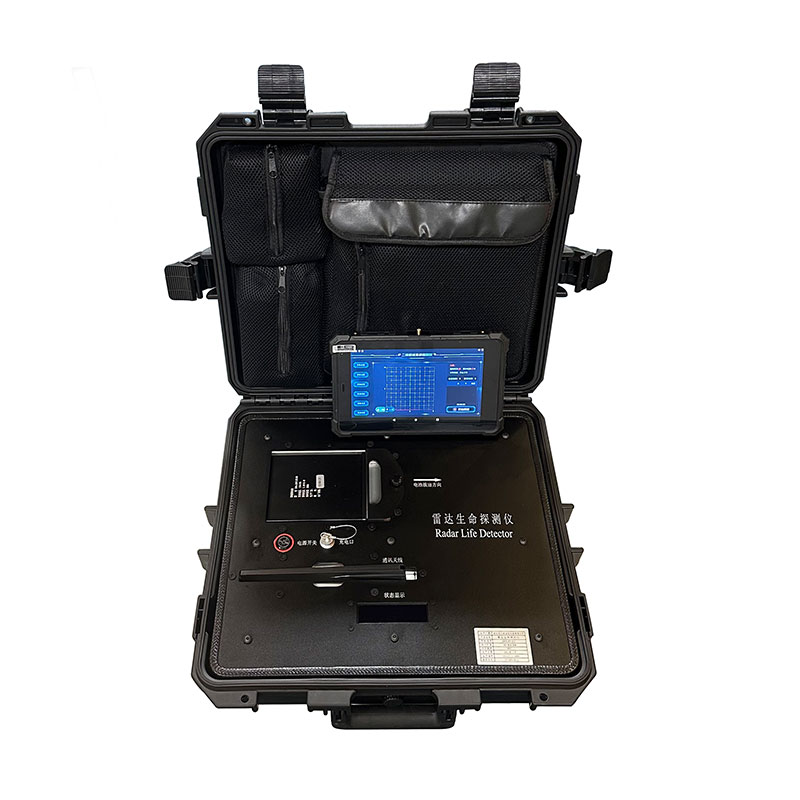

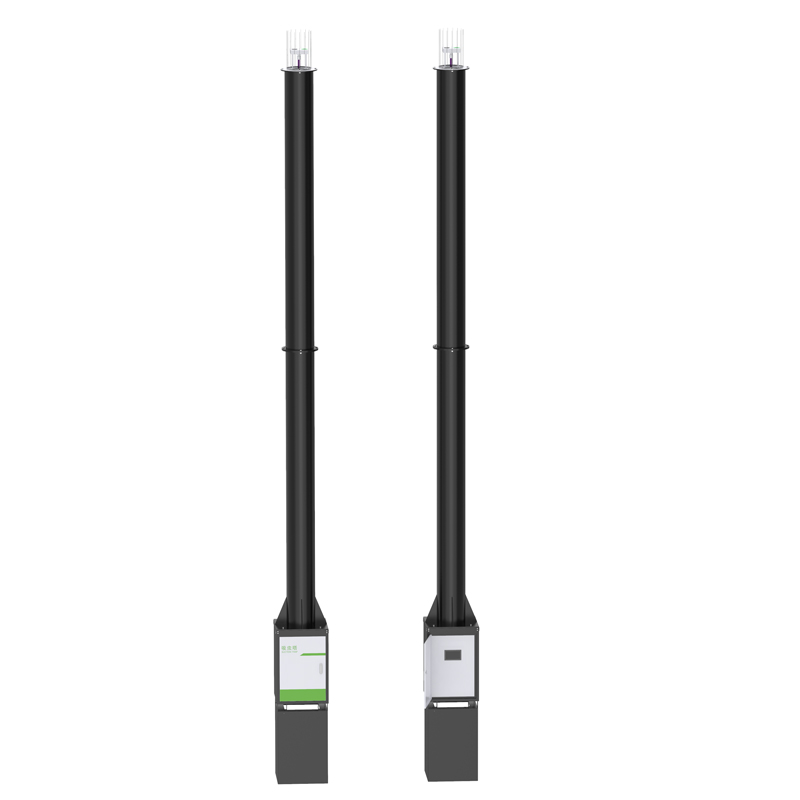
Intelligent monitoring device for forest pests and diseases utilizes an aerodynamic device to powerfully suction aphids and other small insects flying overhead into a collection bottle, enabling continuous monitoring over the medium to long term. This device facilitates forest pest and disease surveys for grassroots forestry workers and is widely used in agriculture, forestry, animal husbandry, orchards, and greening quarantine.
Intelligent monitoring device for forest pests and diseases is an intelligent device specifically designed for insect monitoring. Its core working principle relies on a highly efficient aerodynamic system. When the device is operating, the system generates a powerful suction airflow, which draws small target insects such as aphids, whiteflies, and leafhoppers flying above the monitor into the machine and ultimately collects them in a dedicated sample bottle below. This process achieves automatic, non-destructive capture of insect samples, providing physical evidence for subsequent species identification and quantity statistics.
For grassroots forestry workers, traditional manual methods of surveying pests and diseases are labor-intensive, inefficient, and difficult to sustain over large areas. The emergence of this intelligent monitoring device effectively solves these problems. The device can be deployed in various environments such as forests, nurseries, and orchards for continuous, long-term automated monitoring. Workers only need to regularly replace the collection bottles and check the data to systematically understand the population dynamics, occurrence time, and migration patterns of target insects in the monitoring area, greatly reducing the workload and improving the accuracy and timeliness of monitoring.
The application of this device is very broad. In addition to forestry, it is also suitable for pest and disease monitoring in agricultural fields, pastures, vegetable bases, tobacco plantations, tea gardens, traditional Chinese medicine production areas, as well as urban gardens, green belts, and orchards. In plant quarantine work, it can also serve as a front-end monitoring point at ports, quarantine stations, or important ecological areas to provide timely warnings of the invasion and spread risks of alien harmful organisms. Its deployment is flexible, and it can be used for long-term observation at fixed points or for phased special investigations targeting specific problems.
From a technical perspective, the aerodynamic suction method has the advantages of strong targeting and minimal interference, accurately capturing small flying insects while avoiding the accidental capture of large non-target organisms. The design of the sample collection bottle facilitates removal and submission for testing. Combined with laboratory analysis, it can clearly identify insect species and even detect whether they carry specific viruses, providing scientific support for comprehensive control decisions. Some advanced models also integrate environmental sensors and wireless data transmission modules, enabling the simultaneous collection and remote transmission of pest data and environmental information such as temperature and humidity, further enhancing the intelligence level of monitoring.
In summary, Intelligent monitoring device for forest pests and diseases achieves continuous and effective monitoring of agricultural and forestry pests, especially small flying insects, through automated physical capture methods. It transforms the traditional manual monitoring model and is an important tool for the intelligent and precise development of pest prediction and forecasting systems. It has practical value in promptly understanding pest conditions, guiding scientific control, and ensuring ecological and agricultural/forestry production safety.
This paper addresses:https://fengtusz.com/company/937.html