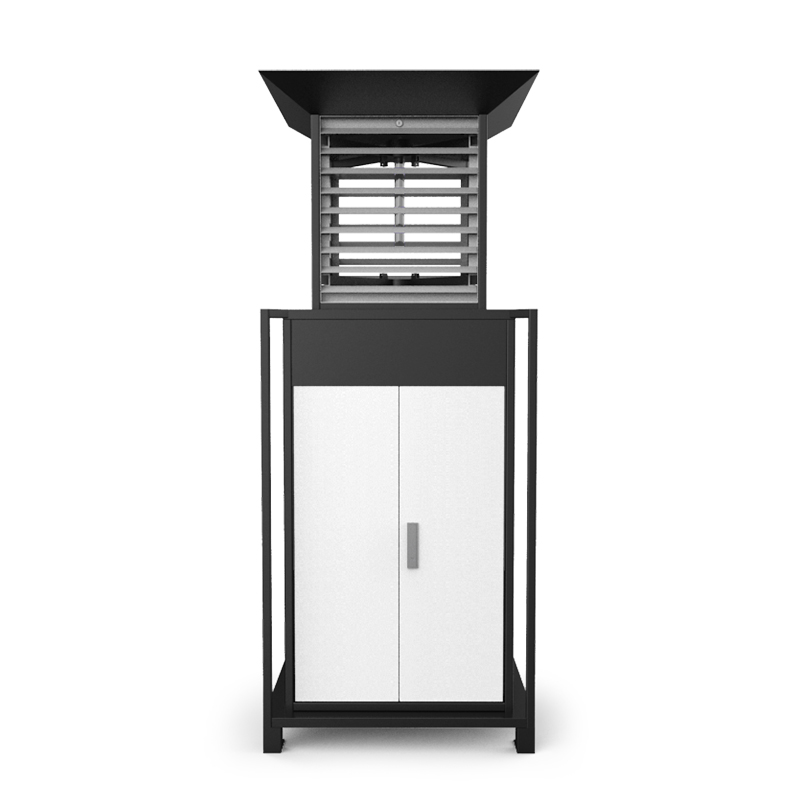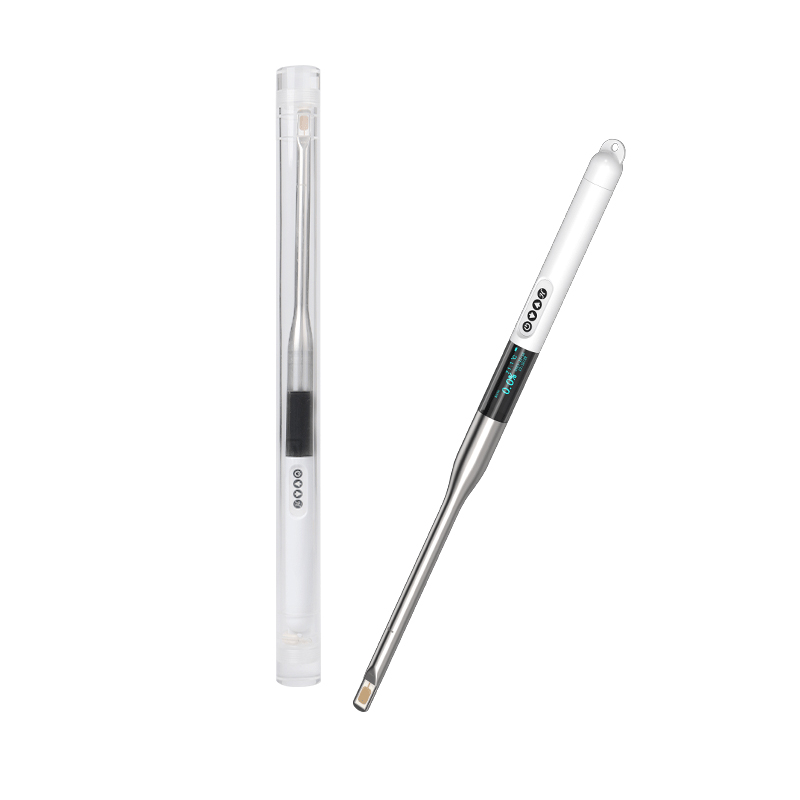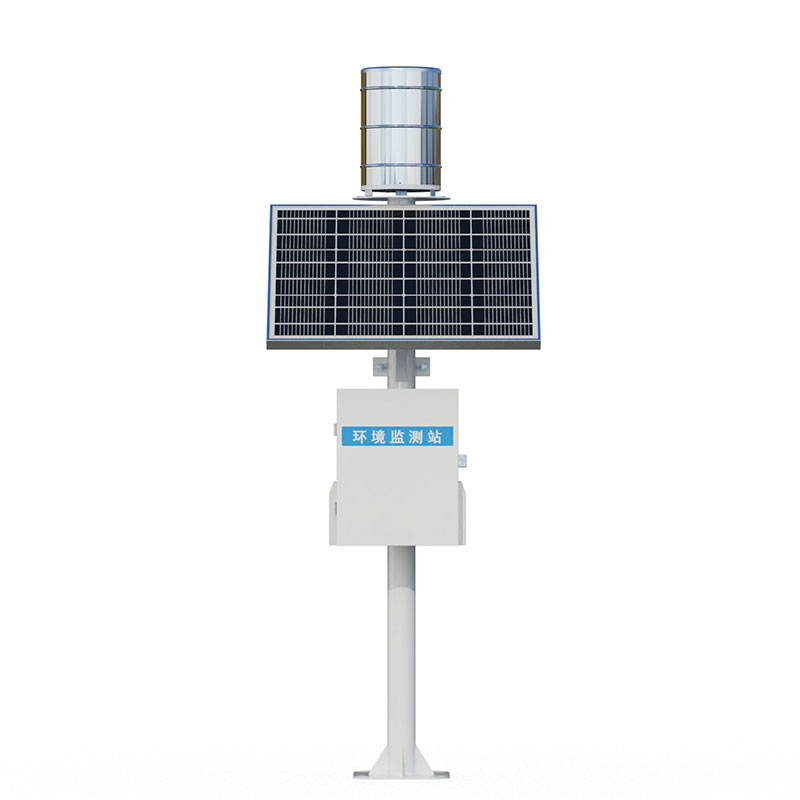
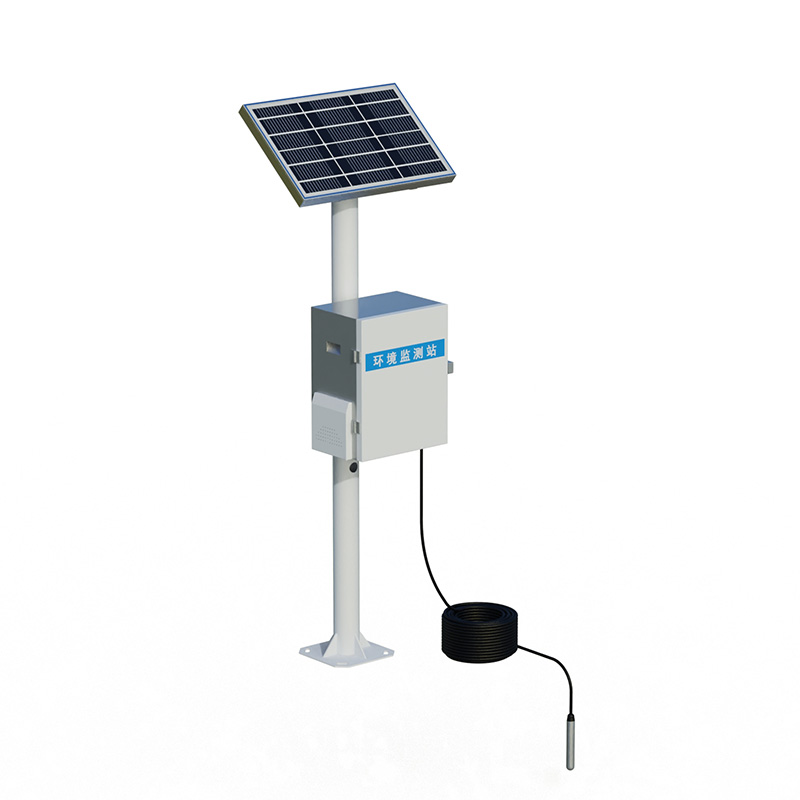
Groundwater Monitoring is specifically designed for water level measurement in deep groundwater wells, mine shafts, and geothermal wells. The sensor is unaffected by pressure or water quality. The measurement range covers 100 meters to 400 meters, providing stable and reliable data for hydrological monitoring, industrial water supply, mine drainage, and other applications.
Groundwater Monitoring is a specialized instrument for accurately measuring liquid depth. It works by directly immersing the sensor into the liquid being measured, based on the principle that hydrostatic pressure is directly proportional to the liquid level. The core of the device is a pressure-sensitive element that converts the sensed water pressure signal into a standard electrical or digital signal, thereby calculating the actual water level. This device is used in various enclosed or open water bodies, such as deep wells, tanks, and channels.
This device plays a crucial role in several professional fields. In groundwater monitoring, it is deployed in observation wells for long-term monitoring of groundwater level dynamics, assessing water resource reserves and replenishment. In mine safety production, the device is installed in drainage wells or water accumulation points in mined-out areas to monitor water levels in real time and prevent water ingress accidents. During geothermal well development and utilization, this device is also used to monitor the water level in the well, ensuring the sustainable extraction of geothermal resources. Its measurement process is unaffected by minerals, acidity, alkalinity, or common impurities in the water, maintaining long-term measurement stability in complex water quality environments.
The technical core of the device lies in the design and packaging of its sensor. The sensor typically uses a pressure sensing principle such as diffused silicon or ceramic capacitance, sealed in a stainless steel housing, and connected to a ground-based display and recording unit via a special cable. The sensor head incorporates temperature compensation to eliminate the influence of ambient temperature changes on pressure readings. For different depth ranges, such as 100 meters, 200 meters, 300 meters, and 400 meters, the device undergoes rigorous calibration and range configuration before leaving the factory to ensure that it maintains the specified accuracy level across the entire range. Signal output typically supports various industrial standard formats such as 4-20mA current and RS485 digital interface, facilitating integration into automation systems.
Compared to traditional manual measurement methods, Groundwater Monitoring enables automated continuous monitoring. In scenarios such as fire water tanks, municipal water supply network manholes, underground drainage sumps in coal mines, industrial process tanks, and agricultural irrigation channels, this device can completely replace inefficient and discontinuous manual statistical management methods. It can achieve data acquisition at a frequency of once per minute or even higher, and transmit the data in real time to the monitoring center via wired or wireless networks, forming a continuous liquid level change curve. This provides immediate data support for production scheduling, safety warnings, and resource management.
In hydrological monitoring, industrial process water supply, and mine drainage systems, the reliability of this device is crucial. Its fully sealed structure can withstand the immense pressure at great depths, and the selection of corrosion-resistant materials makes it suitable for various water quality environments. During installation, the sensor is fixed at a predetermined depth underwater, and the cable is routed along the well wall or support structure. Routine maintenance mainly focuses on checking the integrity of the cable and performing periodic data calibration and comparison. The widespread application of this device has greatly improved the automation level and data accuracy of liquid level management in related fields, making it one of the basic sensing units for building smart water systems, intelligent mines, and the industrial Internet of Things. When selecting a model, the specific model should be determined based on the actual maximum measurement depth, media characteristics, installation method, and output requirements.
This paper addresses:https://fengtusz.com/company/908.html