Soil profile moisture meter is a professional device used to measure moisture, temperature, and electrical conductivity parameters in the soil profile. This instrument can synchronously and accurately acquire multiple key data points from different soil depths, enabling dynamic monitoring of soil moisture conditions. It primarily serves fields such as precision irrigation in agriculture, soil environment research, and ecological and geological surveys.
Soil profile moisture meter is a type of electronic measuring equipment specifically designed to obtain multiple physical and chemical parameters of the soil profile. Its core function is to measure the volumetric water content, temperature, and electrical conductivity of different soil layers in situ, continuously and synchronously, thus providing a quantitative data basis for soil moisture assessment, salinity monitoring, and environmental research.
The working principle of this type of instrument is based on various physical sensing technologies. Soil moisture measurement usually employs frequency domain reflectometry or time domain reflectometry. The sensor emits electromagnetic waves or pulses of a specific frequency into the soil, and by detecting their propagation speed or reflection characteristics, it analyzes the change in the soil's dielectric constant, thereby calculating the volumetric water content of the soil. Soil temperature is often measured using high-precision thermistors or platinum resistors, directly sensing the thermal conditions in the soil. Soil electrical conductivity is mainly measured using the four-terminal method of current-voltage or the principle of electromagnetic induction. By measuring the soil's ability to conduct current, it reflects the total amount of salt ions in the soil solution, which is a key indicator for assessing the degree of soil salinization.
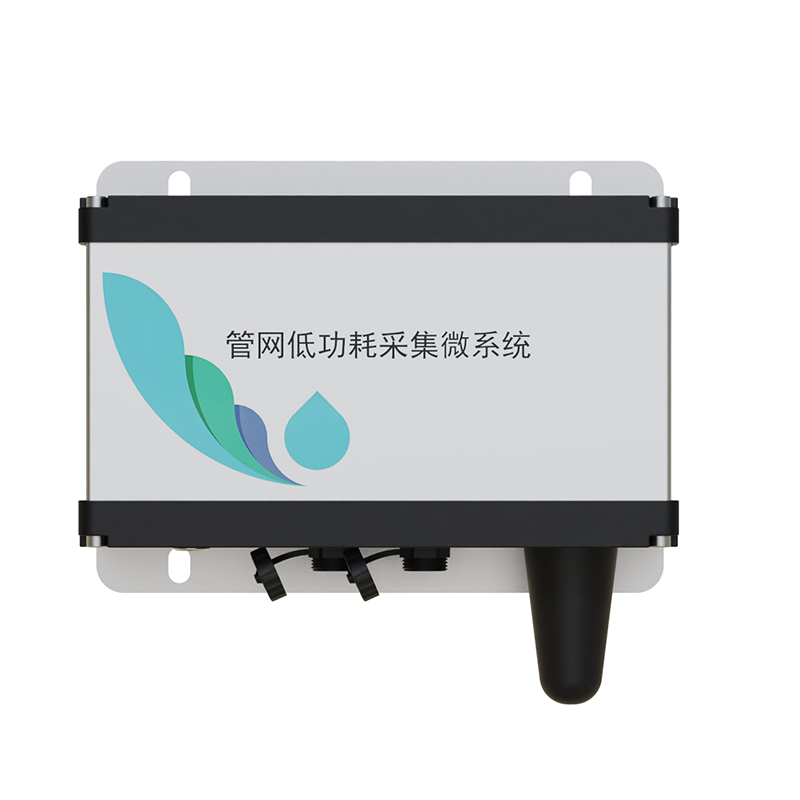
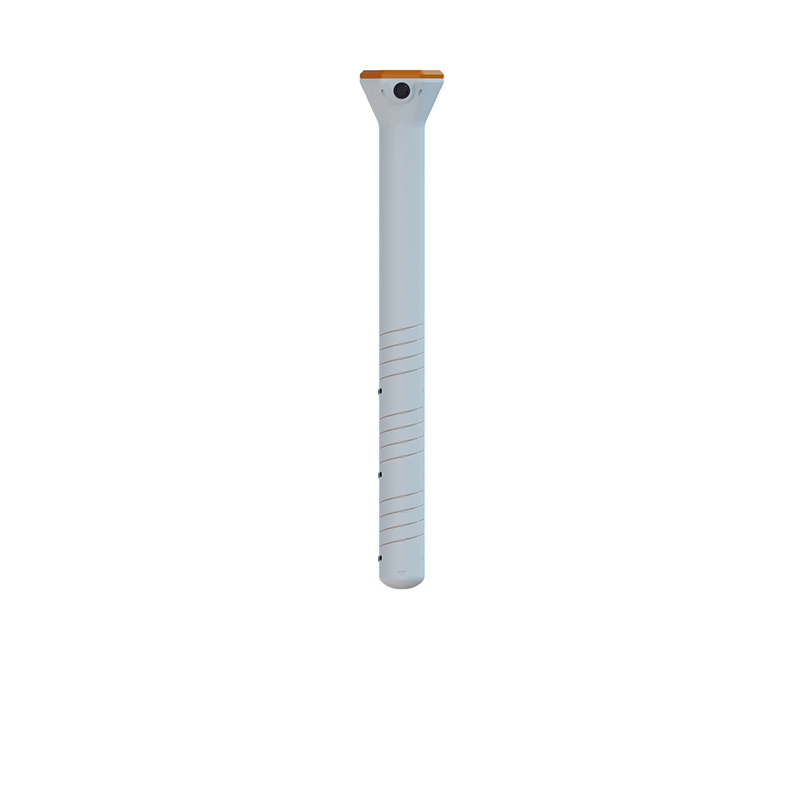
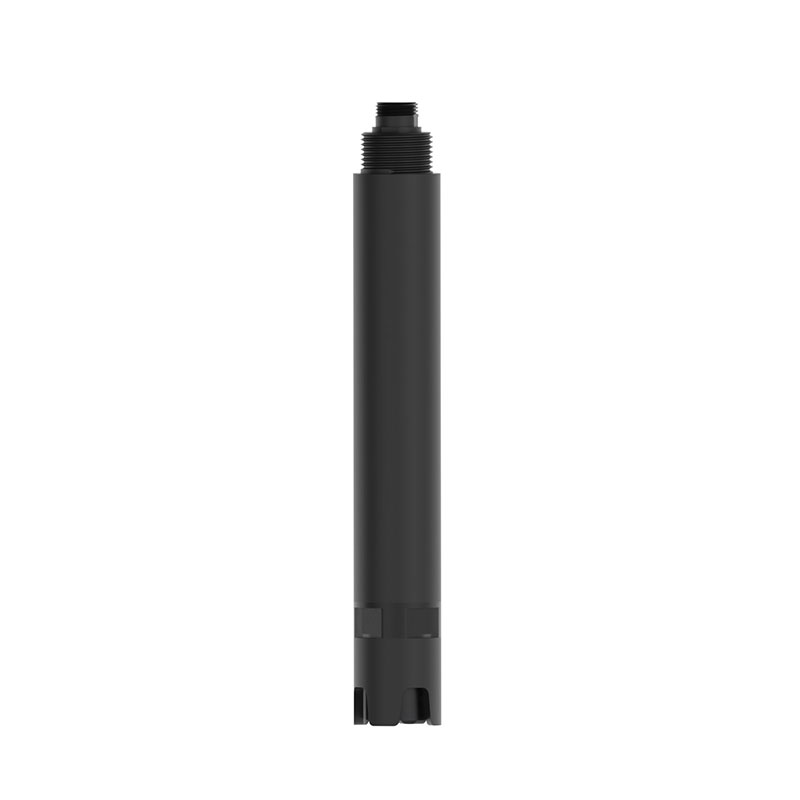
A complete monitoring system usually consists of three parts: a profile sensor embedded in the soil, a data acquisition and transmission unit, and a host computer software platform. The profile sensor is the sensing end of the system, often designed as a multi-probe integrated structure or a series of probes, which can be installed at once and simultaneously measure parameters at multiple preset depths. The data acquisition unit is responsible for controlling the sensor's operation, performing signal conditioning and analog-to-digital conversion, and storing data according to the set cycle. It can send data to the data center via wired or wireless means. The software platform is used for remotely configuring device parameters, receiving and managing data, and performing visual analysis and report generation.
Soil profile moisture meter is most widely used in the agricultural field. By real-time monitoring of soil moisture dynamics in the crop root zone, it can accurately determine irrigation timing and water volume, achieving water-saving and efficient precision irrigation. By combining soil salinity and temperature data, this instrument can assist in evaluating fertilization effects, preventing secondary soil salinization, and providing a basis for greenhouse environment control. In the ecological and geological fields, the instrument is used for long-term monitoring of soil moisture movement patterns in ecosystems such as forests, grasslands, and wetlands, studying the interaction between climate and vegetation, and monitoring soil moisture changes for early warning of geological disasters such as landslides.
When selecting a suitable Soil profile moisture meter, multiple technical indicators need to be considered. First, the appropriate measurement principle should be selected based on the monitoring purpose and soil type (e.g., clay, sandy soil) to ensure data accuracy. Secondly, the depth distribution of the monitoring profile and the number of sensors need to be determined. In addition, the measurement accuracy and stability of the equipment, long-term weather resistance and corrosion resistance, the reliability of power supply and communication methods, and the compatibility of the data platform are all important considerations. Correct installation, standardized calibration, and regular maintenance are fundamental to ensuring the long-term validity of monitoring data, ultimately providing continuous and reliable data support for water resource management, agricultural production, and scientific research.

This paper addresses:https://fengtusz.com/company/902.html