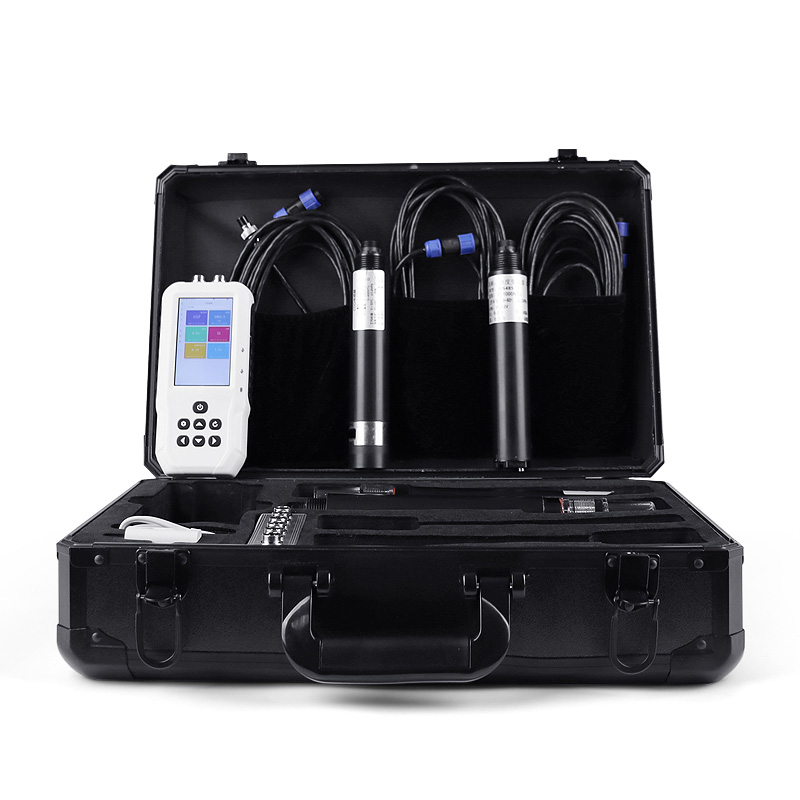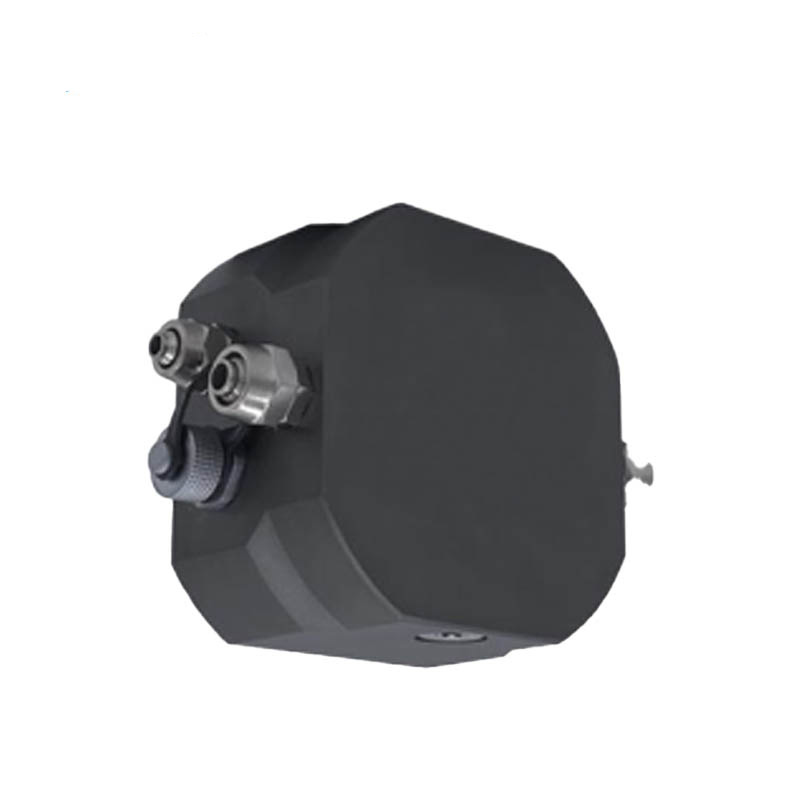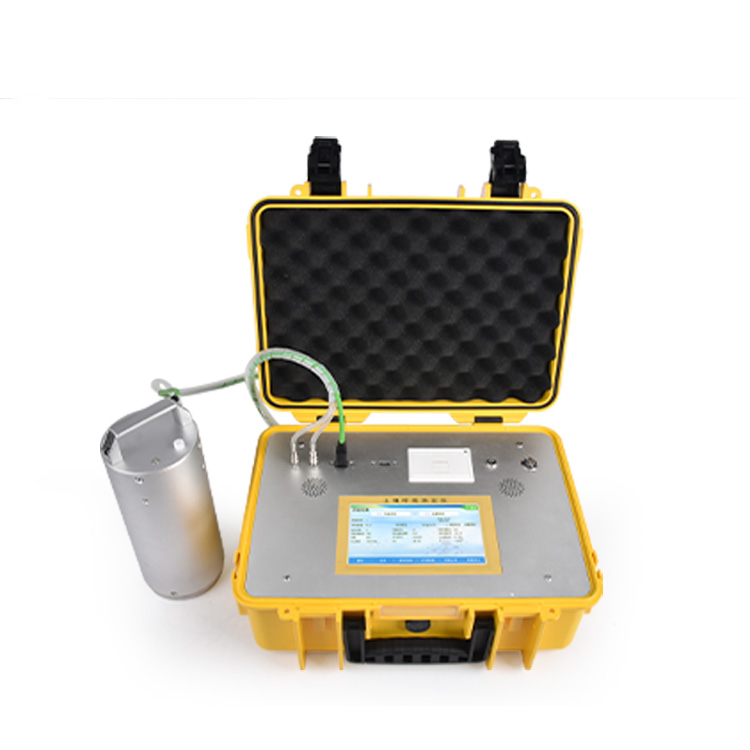
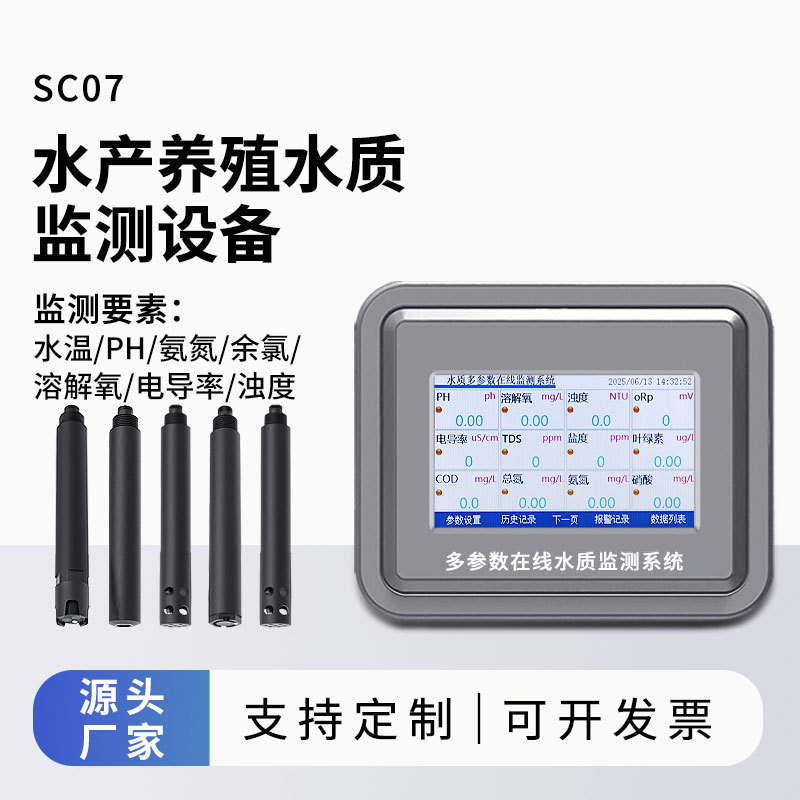
Water quality monitoring instruments is a device that monitors water quality by collecting, transmitting, and processing water parameter data in real time. It can monitor multiple key indicators online, such as water temperature, pH, ammonia nitrogen, residual chlorine, dissolved oxygen, conductivity, and turbidity, meeting the professional needs of environmental monitoring, industrial process control, and scientific research.
Water quality monitoring instruments is an indispensable technical equipment in modern water resource management, environmental protection, and industrial production. Its core function is to achieve continuous and automatic measurement of multiple physical and chemical parameters of water bodies, replacing traditional time-consuming and labor-intensive manual sampling and laboratory analysis methods, greatly improving monitoring efficiency and data timeliness. A typical online water quality monitoring system mainly consists of a sensor unit, a data acquisition and transmission unit, and monitoring platform software.
The sensor unit is the component that directly contacts the water sample and performs the measurement. The instrument integrates corresponding dedicated sensors for different monitoring parameters. For example, the glass electrode method is used to measure pH, fluorescence or electrode methods are used to measure dissolved oxygen, optical scattering principles are applied to determine turbidity, ion-selective electrodes or photometric methods are used to detect ammonia nitrogen concentration, and conductivity is measured by conductivity electrodes. These sensors are designed for long-term stable operation and usually have anti-fouling and self-cleaning capabilities to adapt to complex water environments.
The data acquisition and transmission unit is responsible for processing the electrical signals from the sensors, converting them into standard digital data, and performing preliminary verification and storage. This unit usually has multi-channel input capabilities and can simultaneously connect multiple sensors. Through built-in wired (such as Ethernet, RS485) or wireless (such as 4G/5G, LoRa) communication modules, the collected data is sent to a remote monitoring center or cloud platform periodically or in real time. This process enables remote and networked management of monitoring data.
At the application level, Water quality monitoring instruments plays a crucial role. In the field of environmental monitoring, it is deployed in rivers, lakes, reservoirs, and drinking water sources to monitor water quality in real time, provide early warning of pollution incidents, and provide data support for environmental assessment and management. In industrial production, especially in power, chemical, pharmaceutical, and food and beverage industries, online water quality monitoring is a key link in ensuring the quality of circulating water systems, boiler feedwater, and process water, directly related to production safety, equipment life, and product quality. In municipal water management, this instrument is used for closed-loop control in water treatment and wastewater treatment processes, optimizing chemical dosing and improving treatment efficiency. Furthermore, it is an important tool for research institutions conducting hydrogeological studies and managing water quality in aquaculture, among other fields.
When selecting this instrument, users need to consider the specificity of the measurement parameters, the instrument's detection accuracy and range, the long-term stability and maintenance cycle of the sensor, the equipment's protection rating, and its adaptability to the installation environment. Modern high-end instruments also incorporate features such as automatic cleaning, fault diagnosis, and remote calibration to reduce operating and maintenance costs. With the development of the Internet of Things and big data technologies, this instrument is evolving towards greater intelligence, higher integration, and deeper data applications, becoming a solid foundation for building smart water management and digital environmental protection systems.
This paper addresses:https://fengtusz.com/technical/933.html